street art

Kenny-Scharf-paints-NYC

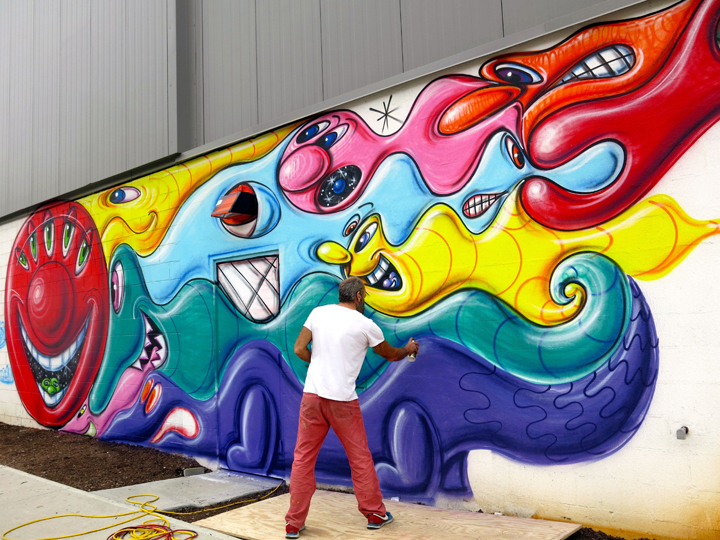
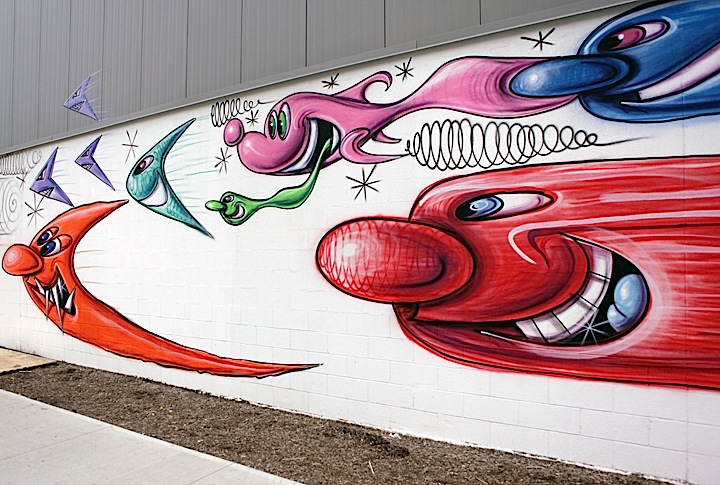
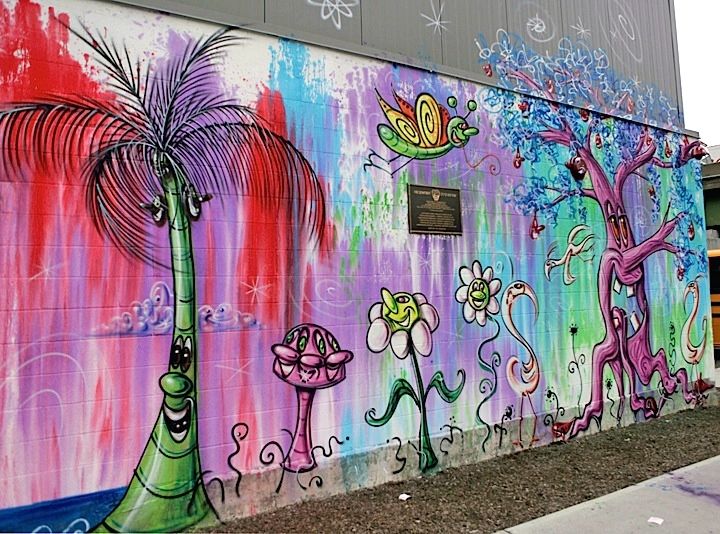
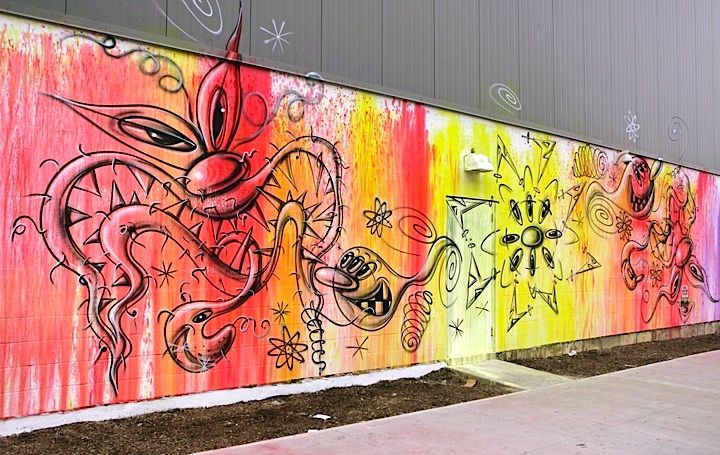
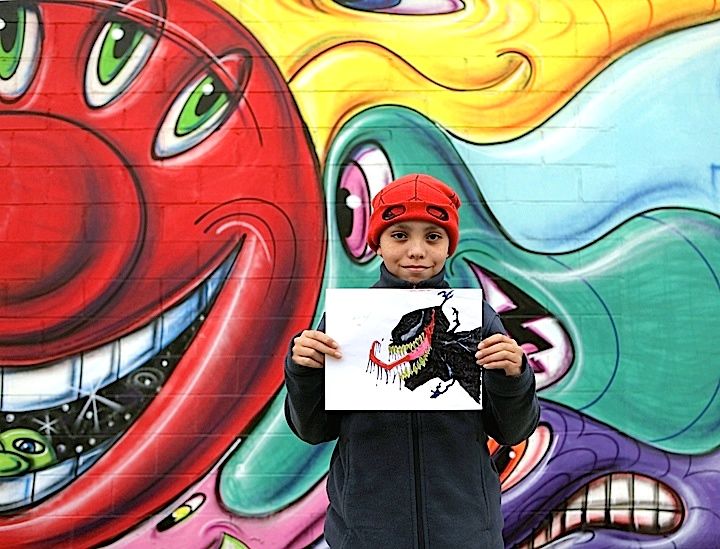
For the past week, Kenny Scharf has been at work on a massive mural along Third Avenue in the Bathgate section of the Bronx.  Replete with the artist’s colorful, fanciful characters, the artwork brings vibrancy and intrigue to this central Bronx neighborhood. Here are a few more images we captured yesterday:

A small segment of huge, block-long mural

kenny-scharf-flying-creatures-bronx-mural

Another segment

Kenny-scharf-bronx-mural-nyc

Yet another fragment

Kenny-Scharf-characters-mural-Bronx

And eleven-year old Jadeden — who has been mesmerized daily by Kenny’s work — sharing one of his artworks

Jadeden-young-artist

Visible from the Cross Bronx Expressway, this mural was produced in collaboration with Krinos Foods and coordinated by KM Fine Arts.

An exhibit of Kenny Scharf‘s works remains on view at the Nassau County Museum of Art, where he will be painting live on Sunday, June 19, 12-4 p.m.

Photo credits: 1 Lois Stavsky; 2-5 City-as-School intern Sol Raxlen

Note: Hailed in a range of media from the Huffington Post to the New York Times, our Street Art NYC App is now available for Android devices here.

en-play-badge 2

{ 0 comments }

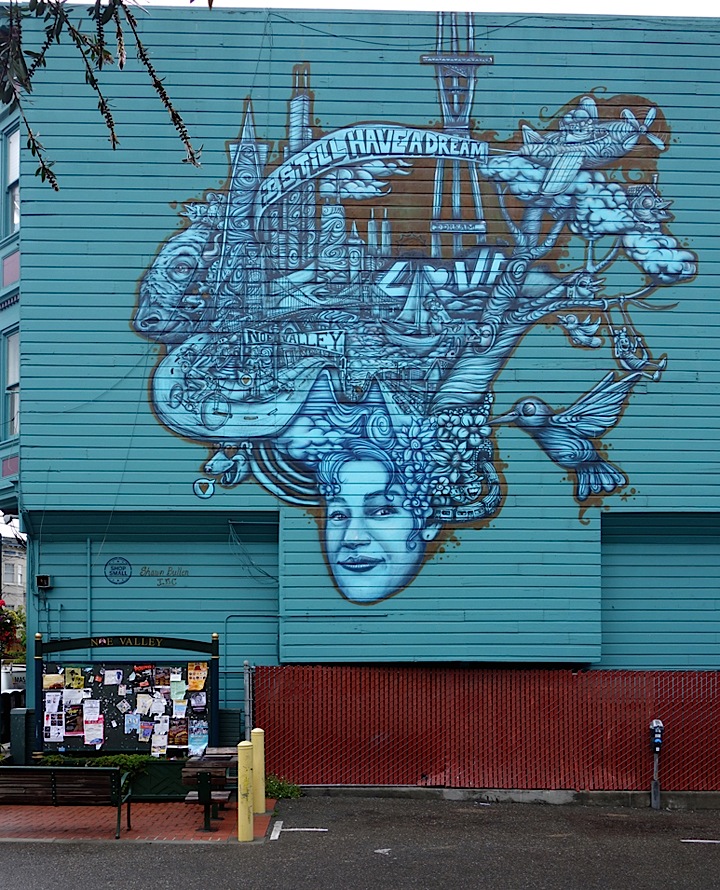
Back in 2012, Chicago-native Shawn Bullen brought his wonderful talents to Bushwick. This past weekend, I had the opportunity to meet up with the gifted artist who has just returned to NYC after spending several years in San Francisco.

Shawn-Bullen-mural-art

When and where did you first get up in a public space?

When I was 17, I got hold of some Mean Streak markers and started tagging the mailboxes in my Chicago neighborhood.

What inspired you to get up?

My friends were doing it, and it seemed like a fun thing to do. I didn’t really think about what I was doing, and I certainly didn’t take it seriously. I also wasn’t very good at it!

Do you remember when you first became aware of graffiti?

There was a graffiti wall in New Hyde Park that I used to pass almost every day. But I didn’t quite get it! I thought, “Why would anyone write something that nobody else could read or understand?”

Shawn-Bullen-Miami-Mural-art

Once you began getting up, did you ever get arrested?

I was arrested twice. The first time, I had climbed on top of a nearby fruit and vegetable stand to write my name. I was caught on camera, and I ended up having to turn myself in. Ironically it led to my first paid gig as the owner of the space offered me $200 to paint his truck.

What was the riskiest thing you ever did back then?

My friend and I would crawl across train tracks lined with live wires through dangerous neighborhoods.

Why did you do that?

To get to rooftop walls that we liked along the Green line.

Shawn-Bullen-mural-Bushwick-NYC

How did your family react to all this?

My mom was hot happy that I was breaking the law, but she was always confident that what I was doing would lead to something.

Do you have a formal art education?

I can’t remember a time when I wasn’t drawing! But, yes, I studied Photography throughout high school. And then I studied Photography and Drawing at Columbia College in Chicago before transferring to NSCAD, the Nova Scotia College of Art and Design. But I didn’t graduate. I left after two years.

Why was that?

I noticed that most of the graduates were working in coffee shops. Few had jobs related to art. I had also felt that I had learned enough.

Shawn-Bullen-mural-art-SF

How you feel about the role of the Internet and social media in this scene?

I think the Internet is a beautiful tool that allows us to share our work with others. It is difficult, though, to keep up with social media, and I know that I need to focus more on my Instagram account. I can get lazy!

Are there any particular cultures that have influenced your aesthetic?

Growing up on the South Side of Chicago, I was exposed early on to the hip-hop culture. Undoubtedly, it has influenced my aesthetic. And when I paint, I almost always listen to hip-hop – Kenye West, Jay Z, Drake…

Have you any favorite artists?

So many! To name a few…Kehinde Wiley, Chuck Close, Basquiat, Aryz, the Etam Crew, and – of course – Michelangelo hasn’t been topped yet!

Shawn-bullen-SF-I still-have-a dream

That’s quite a diverse group! Do you prefer working alone or would you rather collaborate with others?

From ages 17-22, 90% of what I painted was with my crew, the IDC Art House, but these days I feel more and more that I like making my own decisions.

Do you generally work with a sketch-in-hand or do you just let it flow?

It depends. I love to freestyle. It is so much fun. But for commissions I often have to present a sketch first.

Are you generally satisfied with your finished piece?

It’s never as good as I’d imagined it to be, but since I can’t spend years on it, I’m generally proud of myself.

shawn-bullen-paints

Have you exhibited in galleries? Any thoughts about street artists and graffiti writers showing in gallery settings?

Yes, I’ve exhibited in several shows, both solo and group. I don’t have a problem with street artists exhibiting in galleries. All artists need as much exposure and financial support as they can get. And I have only respect for artists who have moved onto the fine art world.

What about the corporate world? Any thoughts about that?

I have mixed feelings about it. Clearly not all corporations are evil. And, yes, I’ve worked with corporations. Corporate gigs, in fact, make it possible for me to survive as an artist. And why shouldn’t corporations support artists?

And do you work full-time as an artist?

Yes! From age 18 on, I was either teaching art or doing art.

Shawn-Bullen-mural

What inspires you these days?

I’m interested in exploring people’s ideas as to how we can save the world. I’m intent on uncovering solutions to problems that affect us all.

How has your artwork evolved in the past few years?

I think much more about concepts, and I continue to paint on a larger and larger scale.

What do you see as the role of the artist in society?

It’s up to each artist to decide his or her role. I see my role as making life better. I want use my art to make people feel better.  I would love to change someone’s life with my painting!

Shawn-Bullen-Boom+Boom

What’s ahead?

I want to paint! I’d like to create at least one piece of public art in every country in the world. And I’d love NYC to be my home base!

Interview conducted and edited by Lois Stavsky; photos courtesy of Shawn Bullen, SHAWNBULLEN1@GMAIL.COM

Note: Hailed in a range of media from the Huffington Post to the New York Times, our Street Art NYC App is now available for Android devices here.

en-play-badge 2

{ 0 comments }

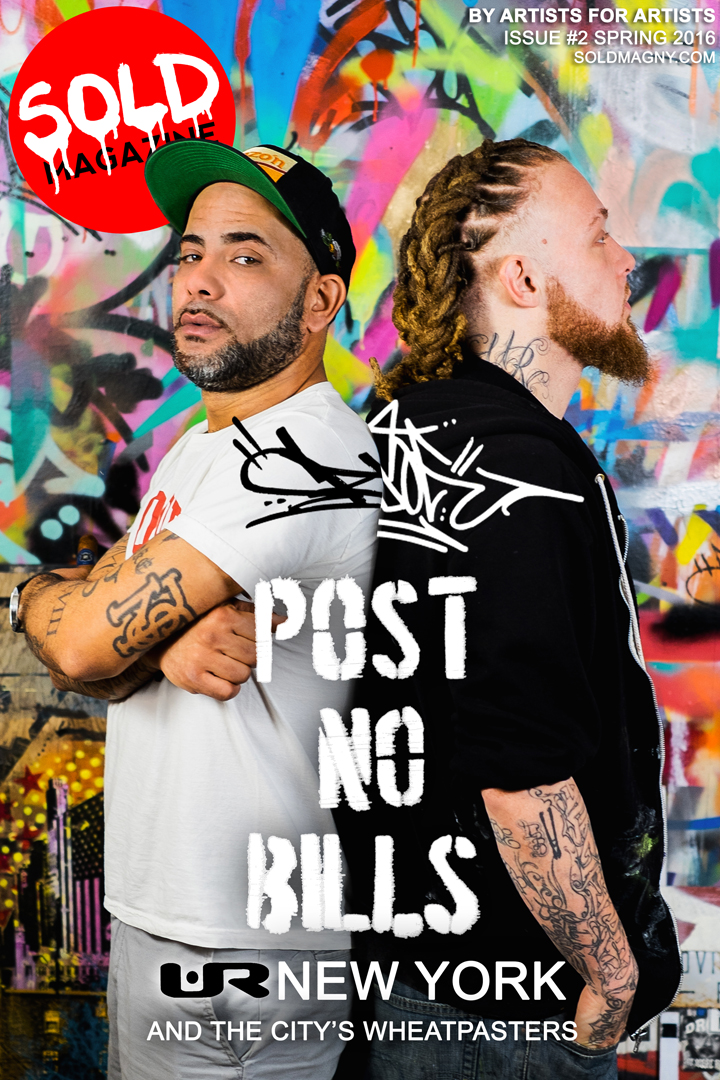
sold-magazine-cover -URNewYork

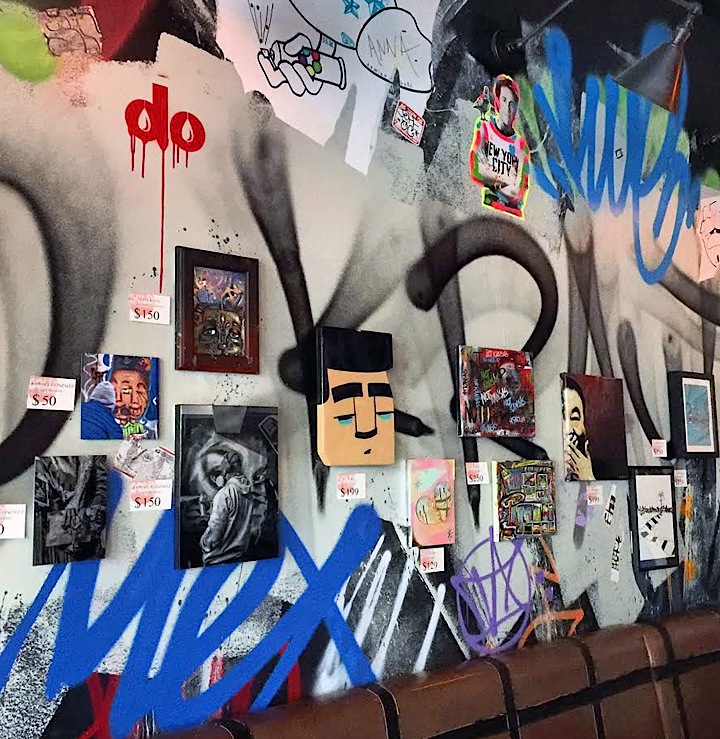
The second issue of SOLD Magazine — the magazine by artists for artistswas formally launched last night with an Affordable Art Show at Chelsea’s Studio Kraut.  After checking out the art — that had already been installed when I came by — and perusing the magazine, I spoke to SOLD Magazine‘s publishing editor BD White.

Back in January, you, John Paul O’Grodnick and Greg Frederick first launched SOLD Magazine. How has the response to it been? What kind of feedback have you gotten?

The response has been overwhelmingly positive. People were eager to become involved with it. We had a steady stream of encouraging emails, text messages, phone calls and comments. It was the incredibly enthusiastic response to SOLD Magazines first issue that has kept us going!

BD-White-stencil-art

How did you go about distributing the premiere issue of your magazine?

We distributed over 3,000 copies — 20 at a time — by getting them anywhere and everywhere! We hit art stores, alternative spaces, cafes, bagel and muffin shops…just about any place that was open to receiving our magazine.

This second issue looks fantastic! There are revealing interviews with UR NEW YORK, City Kitty and Appleton, along with a range of intriguing feature articles. You even have a recipe for wheat paste, this issue’s theme! How was the experience of getting SOLD Magazine out different this time around?

It was easier! Most of the kinks had already been worked out. The actual layout took far less time. And because of the buzz that the first issue generated, artists approached us, as they were eager to be featured.

sold-magazine-installation_pg

Did any unanticipated challenges come your way?

Because everyone who worked with us was so cooperative and accommodating, we were able to easily overcome any potential obstacles.

I like this venue. Even the setting for the artwork is perfect. How did Studio Kraut come your way?

Yes, it is great! The backdrop had already been painted and designed by Dripped On Productions, and Kwue Molly introduced us to this space.

ramiro-davaro-sold-magazine

What’s ahead for SOLD Magazine?

The next issue will focus on muralists. You are in for a surprise! And keep posted for news of our upcoming podcast In the Spray Room.

How can folks get hold of the magazine if it is not easily accessible to them?

They can subscribe. That is the one way they will be sure not to miss an issue!

choice-royce-art

Congratulations! I’m already looking forward to the next issue! I’m heading out now to read this one cover-to-cover!

Pictured above are:

1. Cover of SOLD Magazine  Issue #2 featuring UR NEW YORK, Mike Baca aka 2esae and Ski; photo by John Paul O’Grodnick

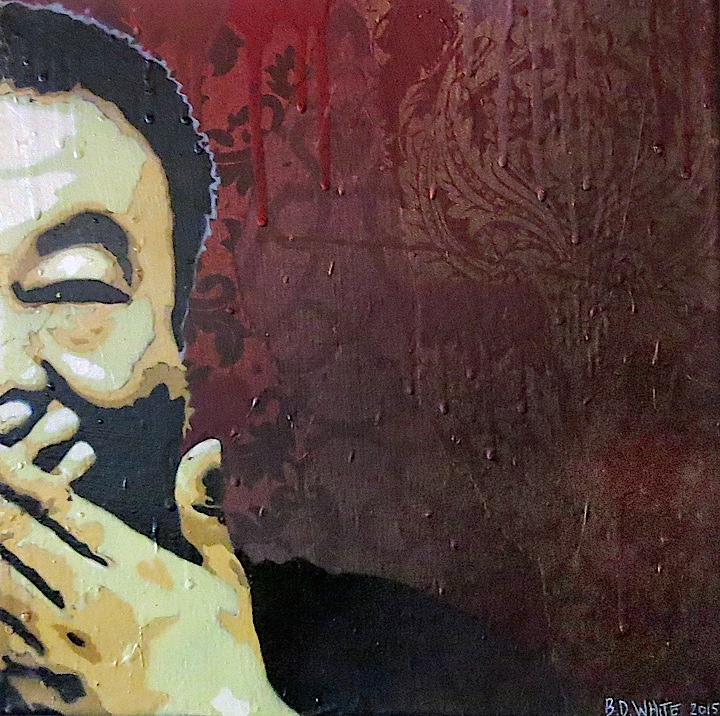
2. BD White,

3. Raphael Gonzalez, City Kitty, CB23, JCorp, JPO, BD White and Joseph Meloy

4, Ramiro Davaro

5, Choice Royce

Photos of artworks and interview by Lois Stavsky

{ 0 comments }

Nepo-at Wix-Lounge-with-art

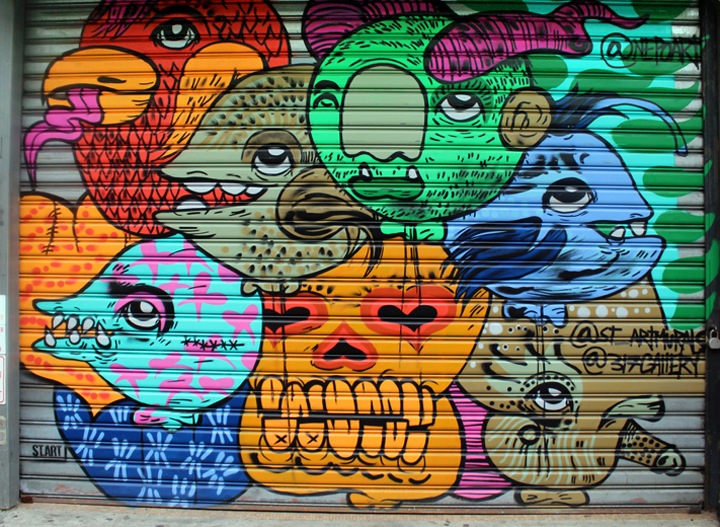
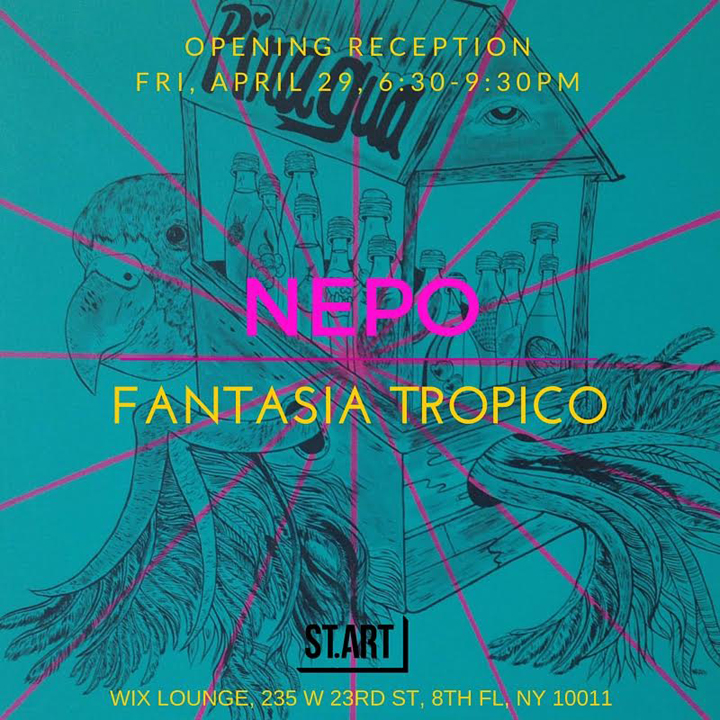
With their luscious colors and seductive styles, Nepo‘s murals has been enhancing the streets of NYC since the talented artist arrived here from Puerto Rico over two years ago. Earlier this week, I had the opportunity to catch up with him after he had finished installing his current exhibit, Fantasia Tropico, at Chelsea’s Wix Lounge.

This space is wonderful, and your work looks perfect here! How did this opportunity come your way?

I’ve known Kamilla Sun, the founder of the creative agency ST.ART, for over a year now.  When she told me about Wix Lounge, a really special co-working, event and exhibit space in Chelsea, I loved the idea of exhibiting my recent series of works, Fantasia Tropico, there.

Nepo-artwork

Can you tell us something about this specific series? 

It references all that I love and miss most from my island, especially my nostalgia for the holidays. This body of works continues to evolve from an exhibit that I was invited to present earlier this year at the University of Wisconsin’s Aylward Gallery. The exhibit here at Wix Lounge, curated by Kamilla Sun, presents several new pieces.

How have the folks here at Wix Lounge responded to your installation?

The reaction has been so positive. People are interested in what I’m doing, and everyone’s been so helpful.

Nepo-street-art-Lower-East-Side

Have you collaborated with ST.ART on any other projects?

Yes! I was commissioned to paint a mural on the Lower East Side last year.

You’ve been doing quite a bit of traveling. What has that been like?

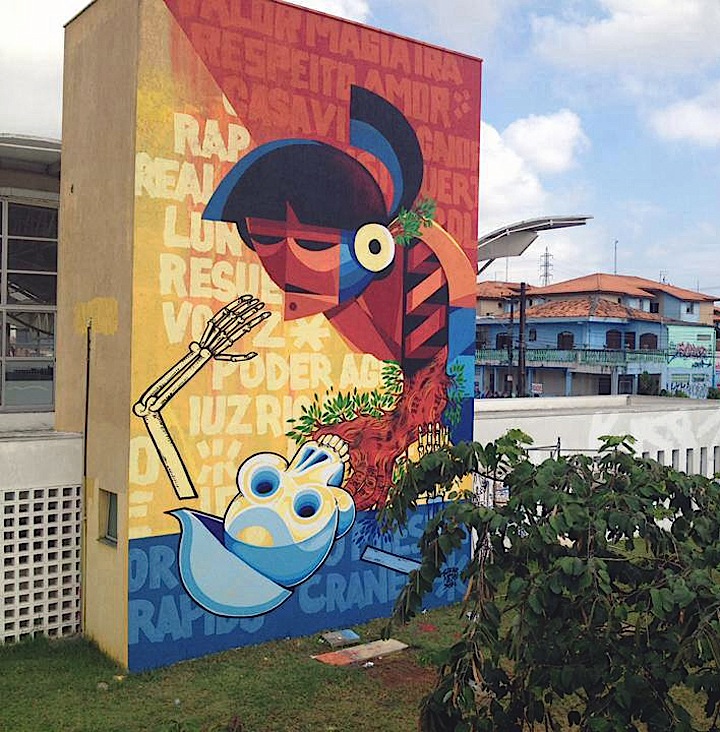
It’s been great! I recently returned from Brazil where I participated in the Street of Styles Festival. It was an amazing experience, and introduced me to some of the best graffiti I’d seen anywhere. I also had the opportunity to paint a huge mural with Son and Spear Torres.

Nepo-collab-mural-brazil

And you’ve also been to Dubai. What brought you there? And what was it like?

I was invited to participate in an exhibit during Art Dubai. It was my first time in that part of the world, and I loved experiencing Arab culture and discovering artists from the Middle East.  I, also, got to return home with several commissions! It was a great feeling!

 What’s ahead?

Painting a few murals! And in a few weeks, I will be assisting Rimx with a huge mural that he was commissioned to paint in Newark, New Jersey. I’m planning to visit L.A. in June.  And in the fall, I’m hoping to visit Lebanon and Jordan and further explore Middle Eastern art. I especially love Arabic calligraphy.

That sounds great! Good luck with it all!

nepo-at--wix-lounge

There will be an opening reception for Nepo‘s exhibit tonight, Friday, 6:30 – 9:30 PM at at Chelsea’s Wix Lounge, 235 West 23rd Street. The exhibit remains on view through May.

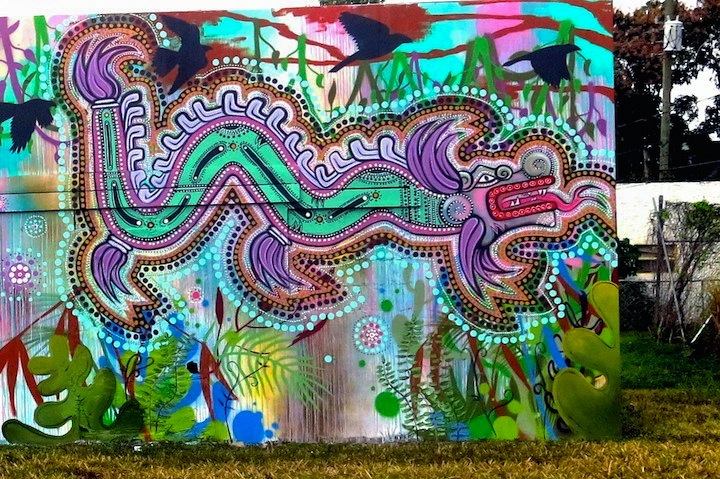
Photo credits: 1 Lois Stavsky 2 & 4 courtesy of Nepo and 3 Tara Murray; interview conducted and edited by Lois Stavsky

Note: Hailed in a range of media from the Huffington Post to the New York Times, our Street Art NYC App is now available for Android devices here.

en-play-badge 2

{ 0 comments }

luis-valle-street-art-mural-little-haiti

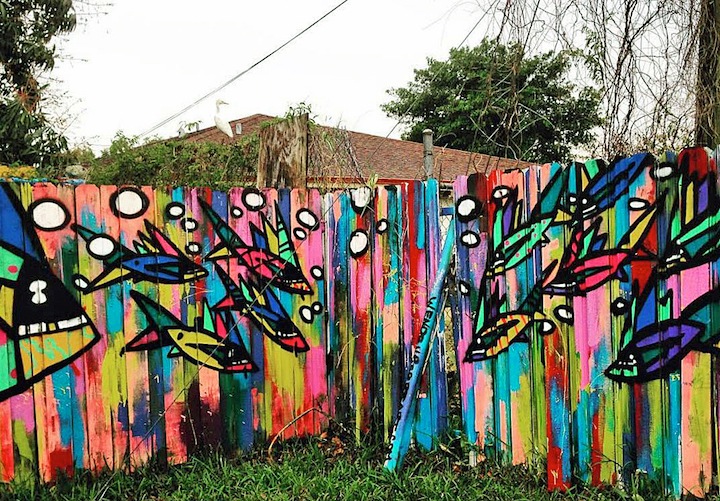
Brimming with color and intrigue, the artworks that surface in Little Haiti — largely by local artists — are among Miami’s most seductive. Here are a few more:

Also by Luis Valle

Luis-Valle-street-art-little-haiti-miami

Ruben Ubiera

ruben-ubiera-little-haiti-q

Faber Medrano

Faber-Medrano-street-art-Little-Haiti-Miami

Marcus Blake

Marcus-blake-little-haiti-street-art-miami

Wendell Pierre

Wendell-Pierre-art-little-haiti-miami

Photos by Lois Stavsky 

{ 0 comments }

Nate-dee-street-art-Miami

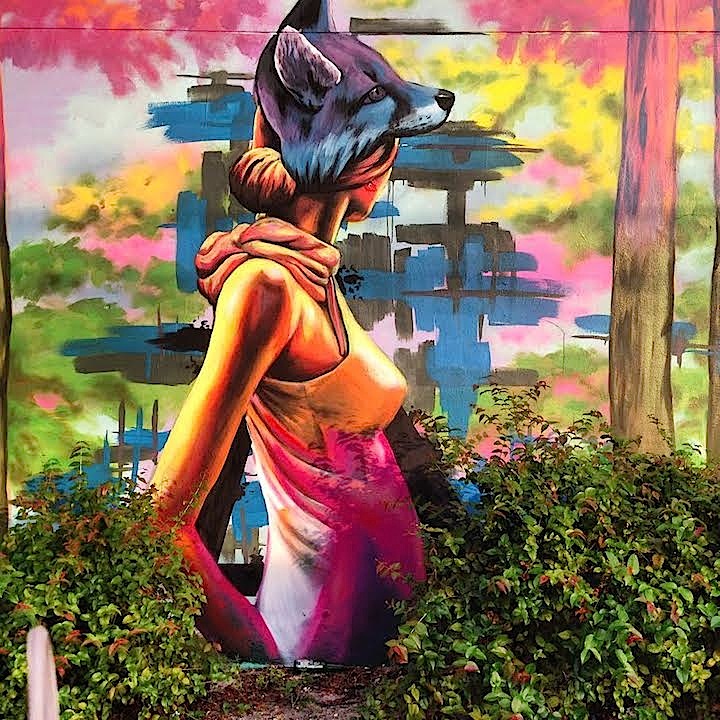
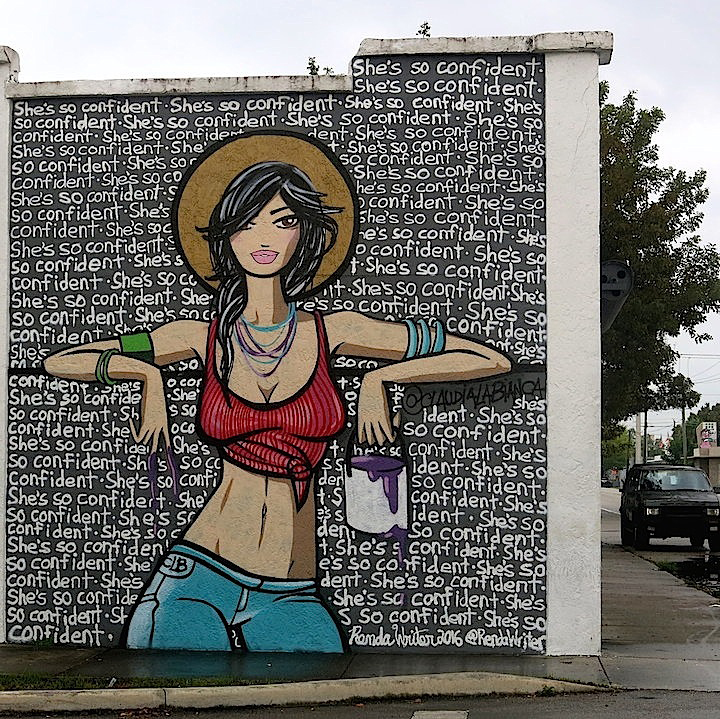
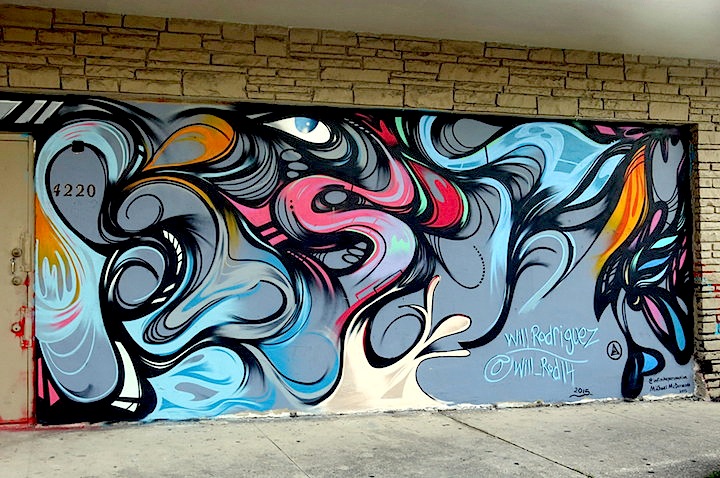
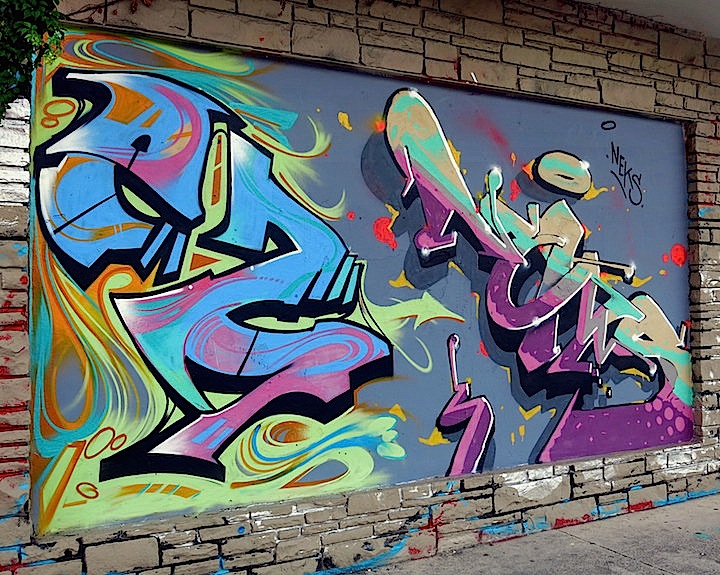
Walking along Second Avenue from Wynwood to Little Haiti, I came upon dozens of intriguing artworks in Miami’s Buena Vista neighborhood. Here are a few more:

Claudio Picasso

claudio-picasso

Renda Writer and Claudia La Bianca

Renda-Writer-Claudia-la-Bianca-street-art-Miami

Smog One

Dre-Ceo-Crew-Miami

Dre Boogie

Dre-Boogie-Dre-Ceo-Crew-graffiti-Miami

Will Rodriguez

William-Rodriguez-graffiti-Miami

With Neks One

Neks-one-graffiti-buena-vista-miamiJPG

Note: First image is by Nate Dee

Photos by Lois Stavsky

{ 0 comments }

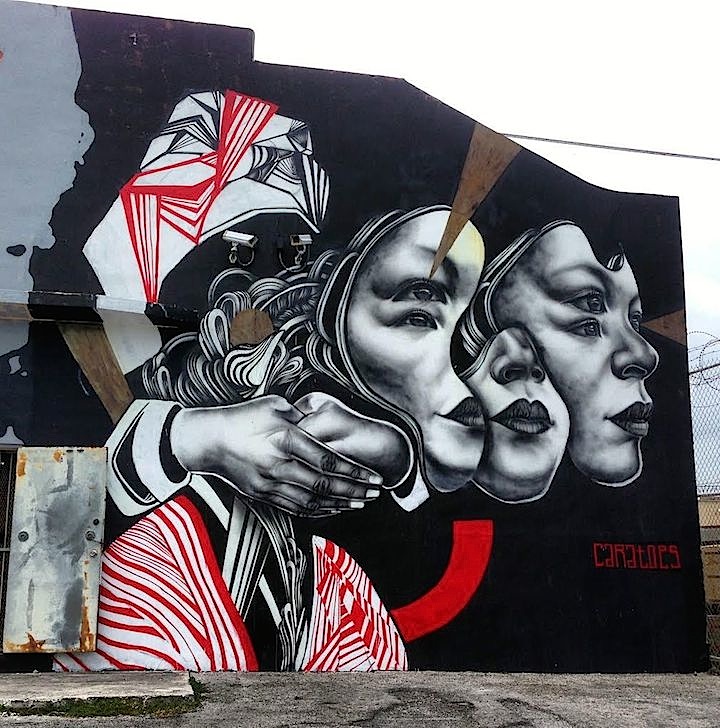
caratoes-street-art-wynwood-miami

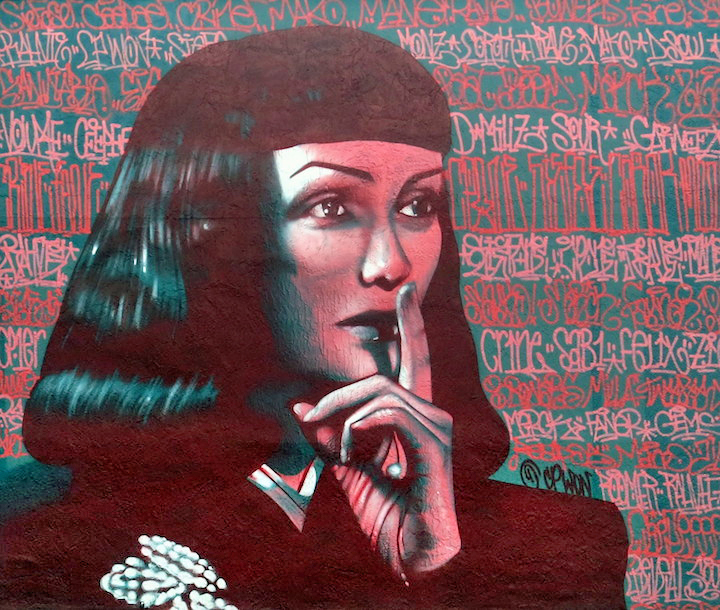
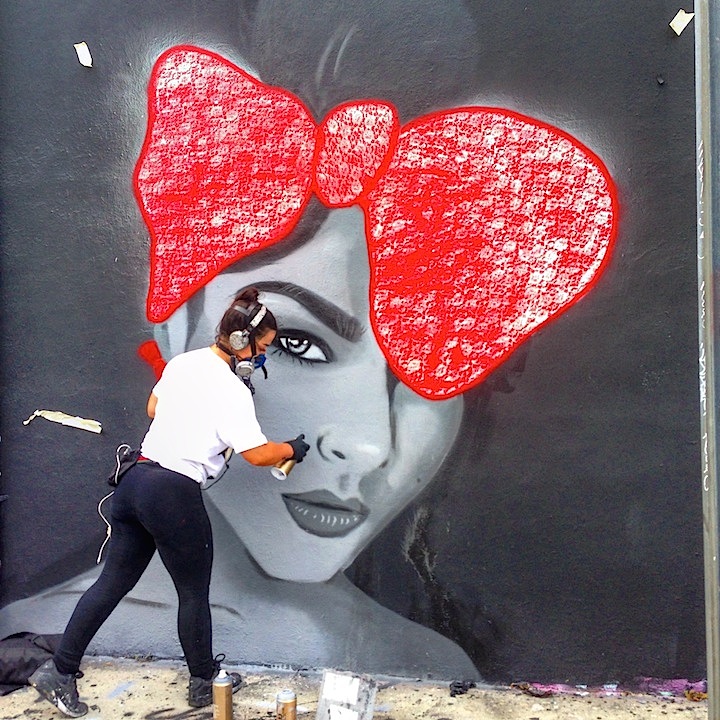
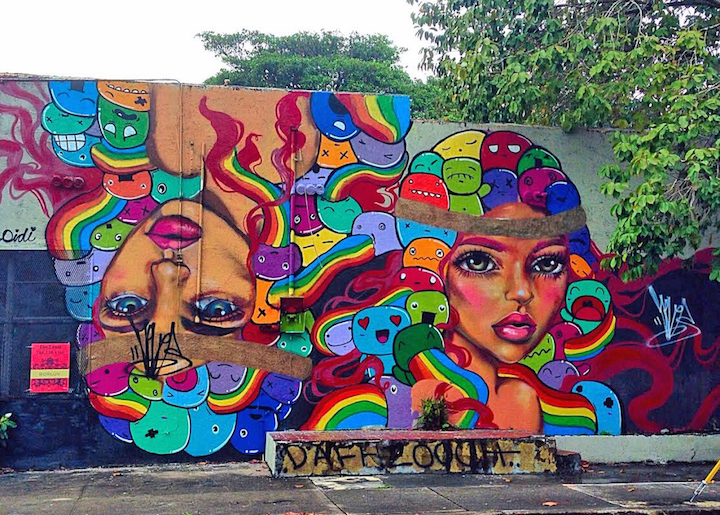
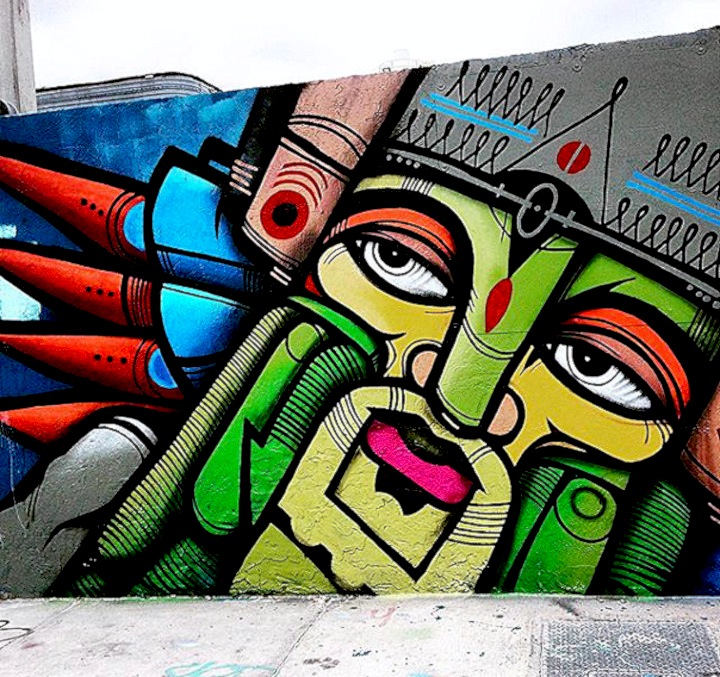
Here are a few more images of intriguing faces captured in Miami last week:

Jas 9 at work in Wynwood

jas9-street-art-miami

Jose Mertz in Wynwood

jose-mertz-street-art-miami-wynwood

Didi Rok and Miss Zukie in Little Haiti

Didi-and-Miss-Zukie-street-art-Little Haiti

RasTerms in Wynwood

RasTerms37-street-art-MIAMI

Photos by Lois Stavsky

Note: First image is of mural by Caratoes

{ 0 comments }

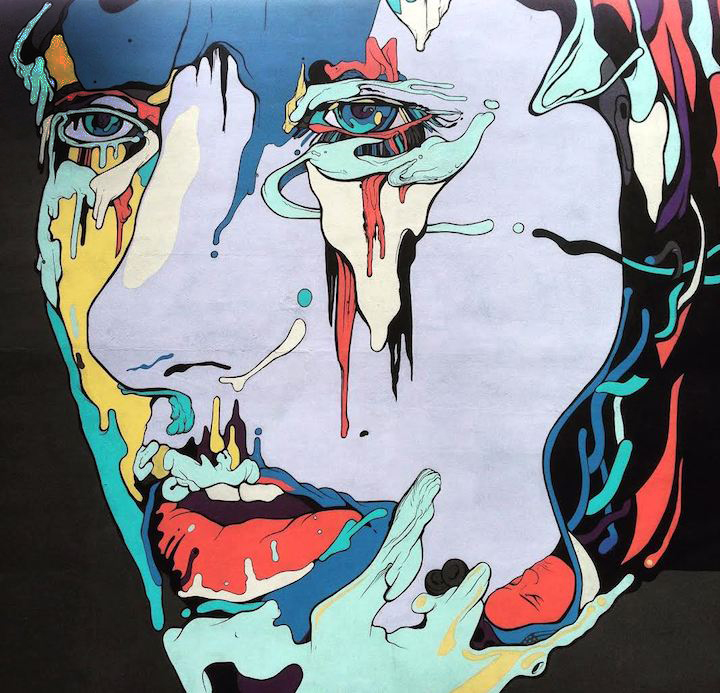
PichiAvo-mural-art-close-up-Wynwood-Walls-Miami

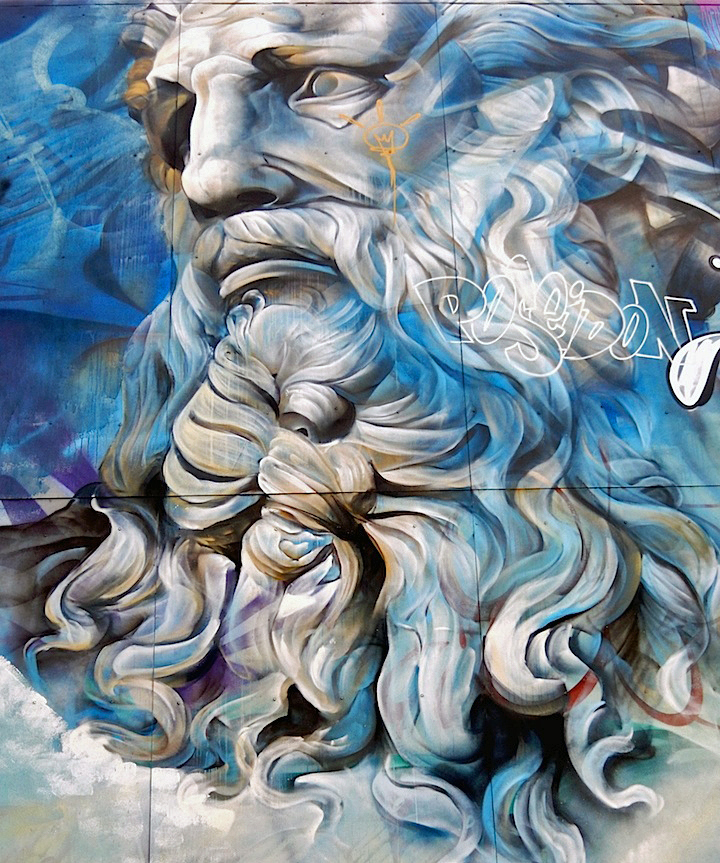
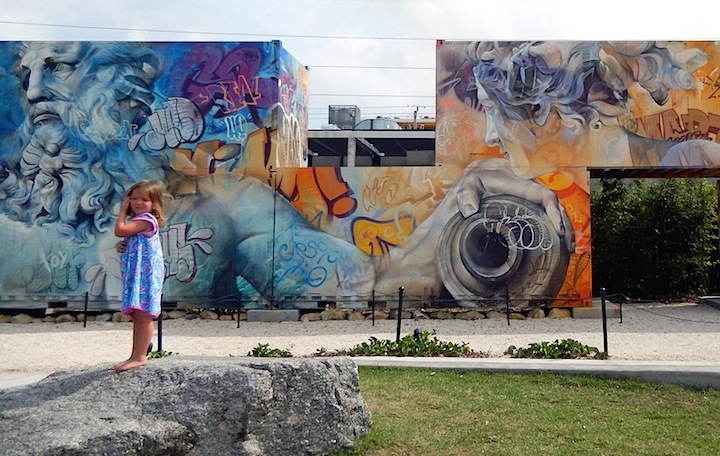
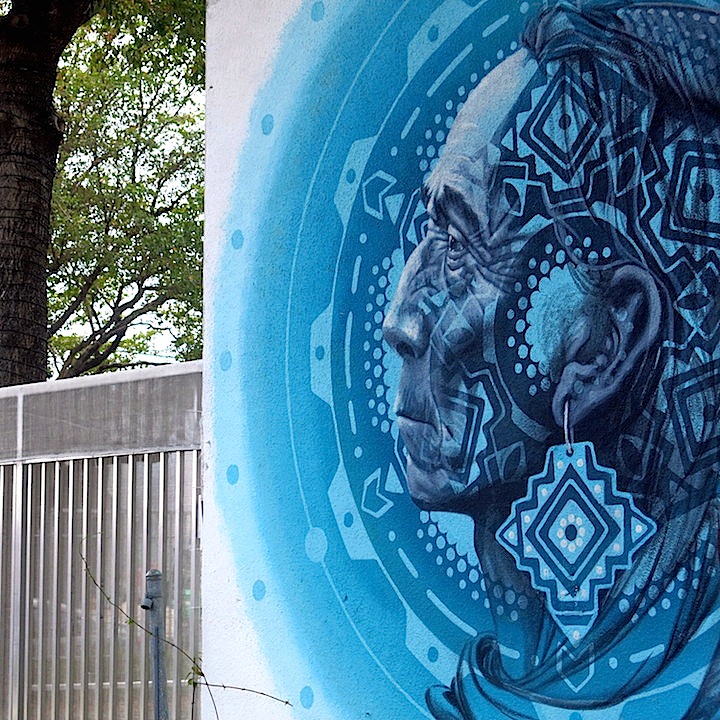
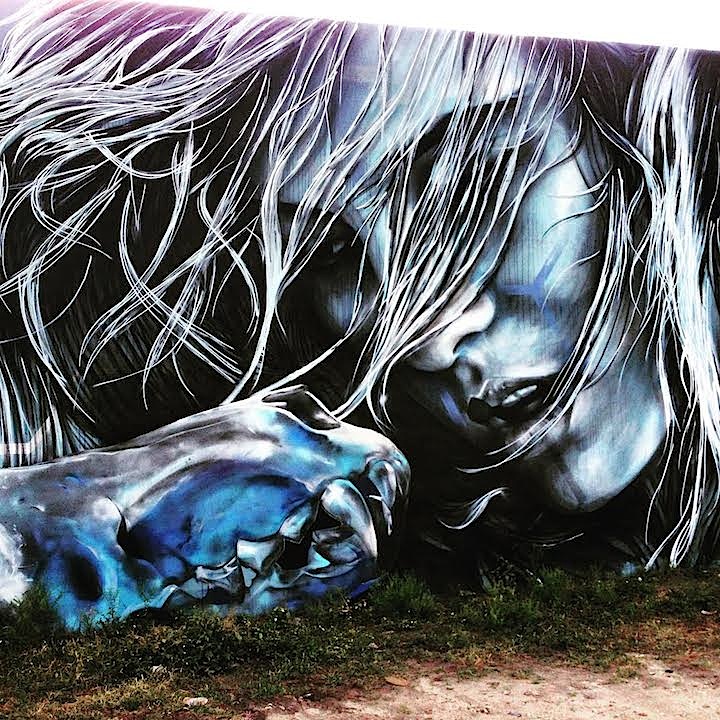
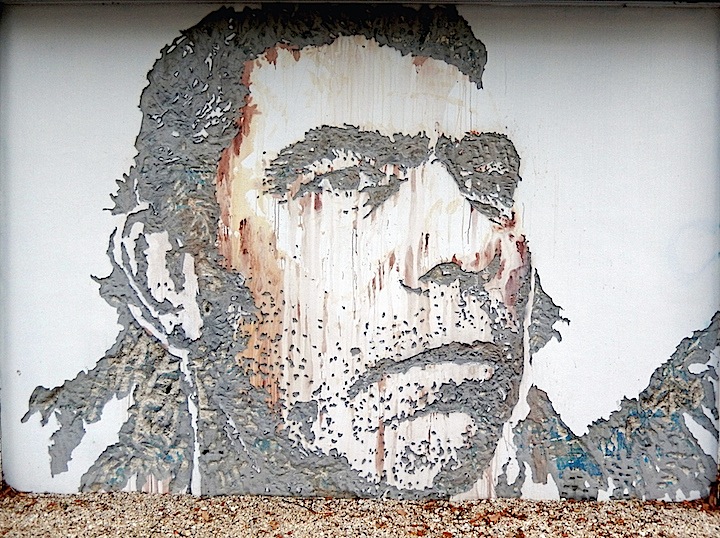
An incredible variety of faces — representing a range of styles, techniques and sensibilities — make their way onto Miami’s walls. Here’s a small sampling of what has surfaced in Wynwood:

PichiAvo. a larger segment of huge mural in Wynwood Walls

Pichi-Avo-street-art-MiamiJPG

Miles Toland, close-up

miles-toland-street-art-miami

Christina Angelina aka Starfightera and Fanakapan, close-up

starfightera-fanakapan-street-art-wynwood

Vhils in Wynwood Walls

vhils-street-art-wynwood-walls

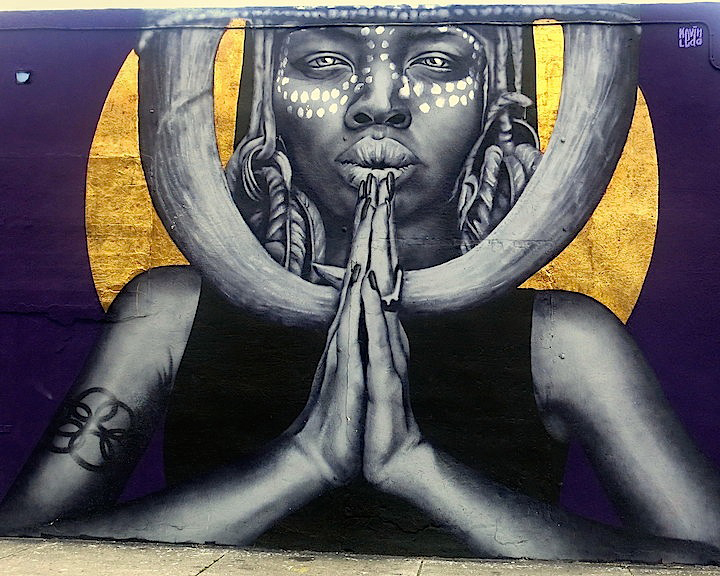
Kevin Ledo and Fin DAC, close-up

kevin-ledo-findac-street-art-miami

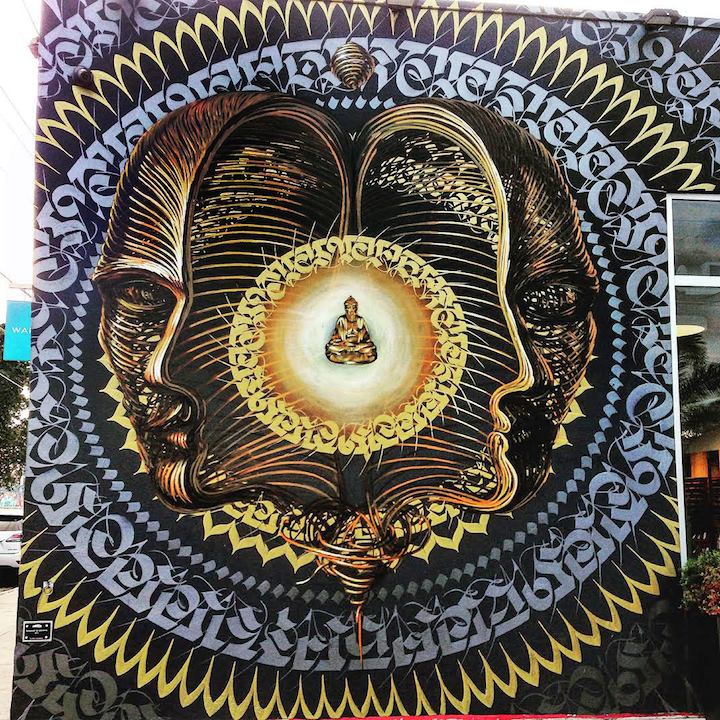
DALeast and Cryptik, close-up

daleast-and cryptic-wynwood-street-art

 Photo credits: 1 & 2 Sara C. Mozeson; 3-7 Lois Stavsky

{ 1 comment }

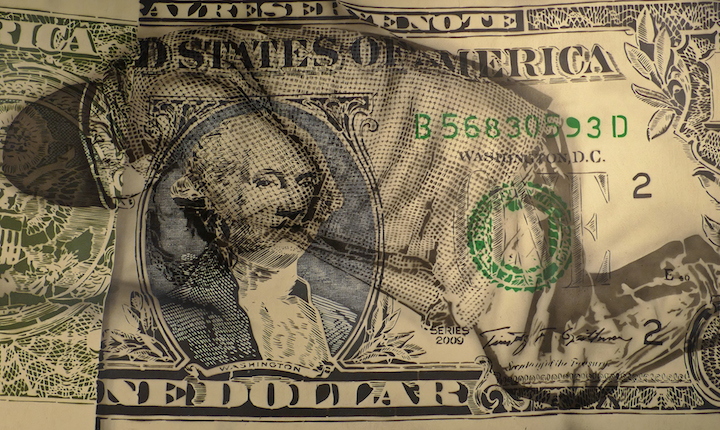
icy-and-sot-art-on-dollar-bill

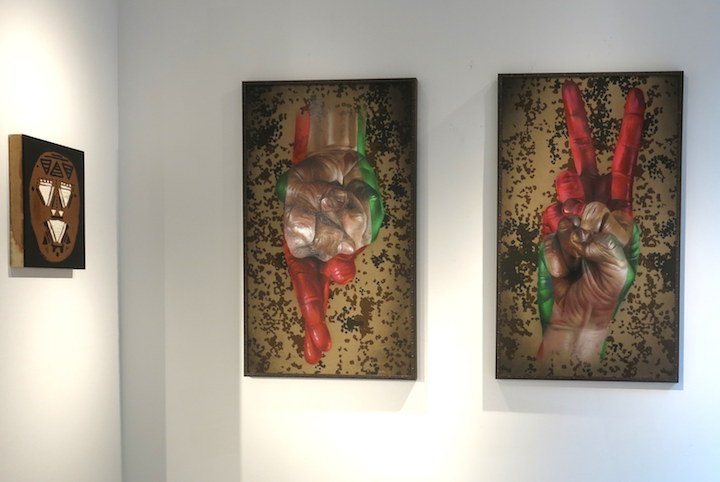
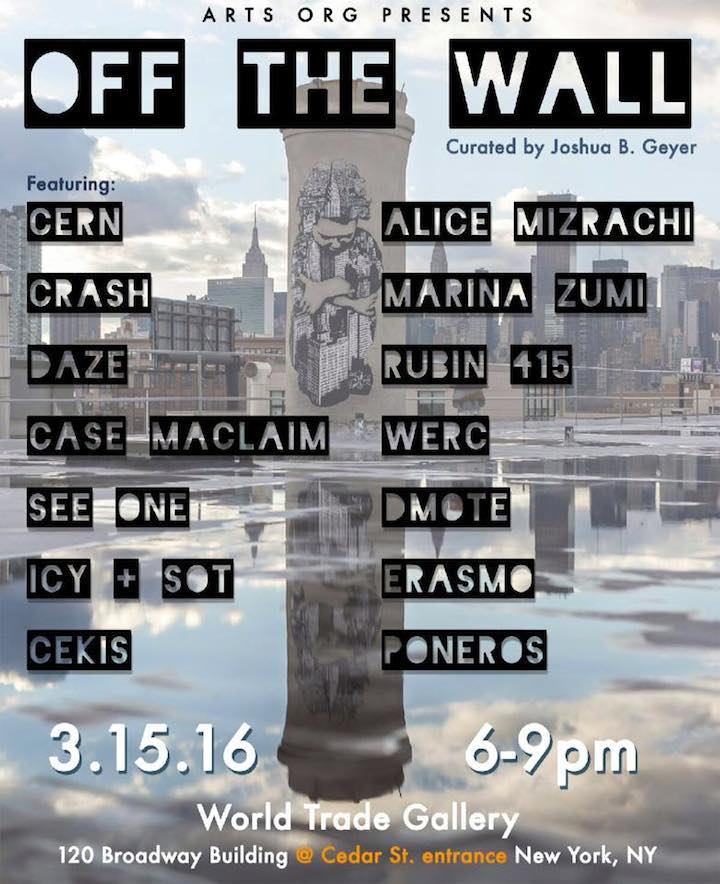
Opening this evening from 6-9pm at World Trade Gallery is Off the Wall, an exhibit featuring artwork by some of our favorite artists. We recently had the opportunity to speak to its curator, Joshua B. Geyer.

What is the concept behind this exhibit?

I wanted to showcase in a gallery setting artworks by a diverse group of high-caliber artists who work in public spaces, as well as in their studios. My current job is just a few blocks away from the Top to Bottom Mural Project on 21st Street. I pass it every day, and I love it. I thought it would be a great idea to feature those artists, as they are among the best anywhere.

erasmo-case

When did you first begin working on Off the Wall?

I first found out about the availability of the space three weeks ago. One of my friends who works in World Trade Gallery offered me the opportunity to curate an exhibit beginning in mid-March.

see-one

What was your greatest challenge in getting this together in such a short timespan?

My greatest challenge was selecting the artists.  There was so much talent to choose from.  Close to 50 outstanding artists have painted in the Top to Bottom Mural Project.  I also wanted to take into consideration the input I was given from the team — James P Quinn and Geoff Kuffner — who implemented the project.

Daze-canvas

Do you feel that you have accomplished your mission?

Yes! The artworks in Off the Wall are representative of the diverse range of outstanding pieces that have surfaced at 43-01 21st Street in LIC since this past September. And this space couldn’t be more ideal!

Off the wall-flyer

We love your flyer. Did you design it?

It was a collaborative venture between See One and me. The photo is mine and the actual design is See One’s.

What’s ahead?

I’d love to build a relationship with World Trade Gallery, and I look forward to curating more exhibits featuring artists whose works are seen on our streets.

Images

1. Icy and Sot, close-up

2. Erasmo and Case Maclaim

3. See One

4. Daze

Photo credits: 1, 3 & 4 Dani Reyes Mozeson; 2 Lois Stavsky

Note: Hailed in a range of media from the Huffington Post to the New York Times, our Street Art NYC App is now available here for Android devices.

en-play-badge 2

{ 0 comments }

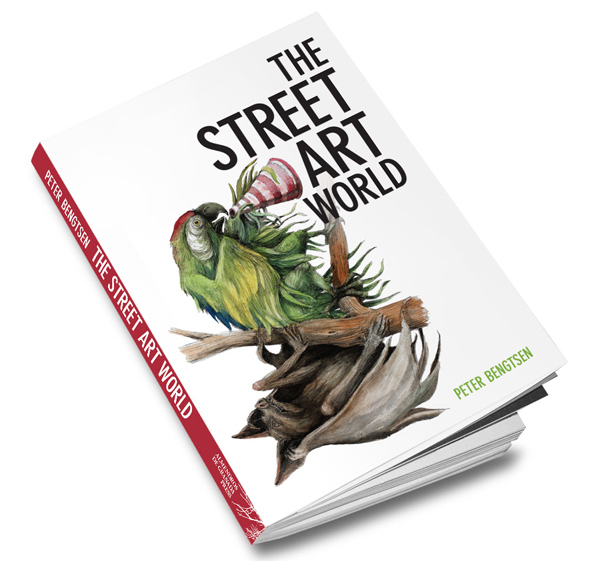
Peter-Bengsten-the-street-art-world-cover

Currently based in Sweden, Peter Bengtsen is an art historian and sociologist who has been researching street art for the past nine years. The Street Art World, a 248 page book, is the result of his research based on studies of everyday interaction among artists, gallerists, collectors, bloggers and street art enthusiasts.  I recently had the opportunity to read Peter’s engaging book and pose some questions to him.

When and how did you first become aware of street art?

I grew up in a small town in the Danish countryside, with virtually no exposure to graffiti or street art. As a kid I would sometimes see throw-ups by Tower and Carn in the underpasses when driving with my parents on the freeway, and those names have been stuck in my head ever since. It wasn’t until I moved to Copenhagen in 2000 that I really became aware of street art and graffiti, though.

You write that when you first discovered street art, you did not deem it “worth documenting and preserving.”  What changed your mind?

When I say that street art wasn’t worth documenting, what I really mean is that for a while the immediate and brief encounters with the work on the street were enough for me. However, over time I started getting attached to some of the artworks I passed regularly, and I also began recognizing the work of certain artists like HuskMitNavn and later Armsrock and Faile. I found myself feeling a bit sad when the artworks eventually disappeared, and I felt an urge to somehow keep them. Photography was one way of doing that. The technological developments around that time had a lot to do with making this form of documentation possible. Back in the early years of the 2000s I was using a film camera and I couldn’t afford to photograph graffiti and street art, but that changed when I got my first digital camera in early 2005.
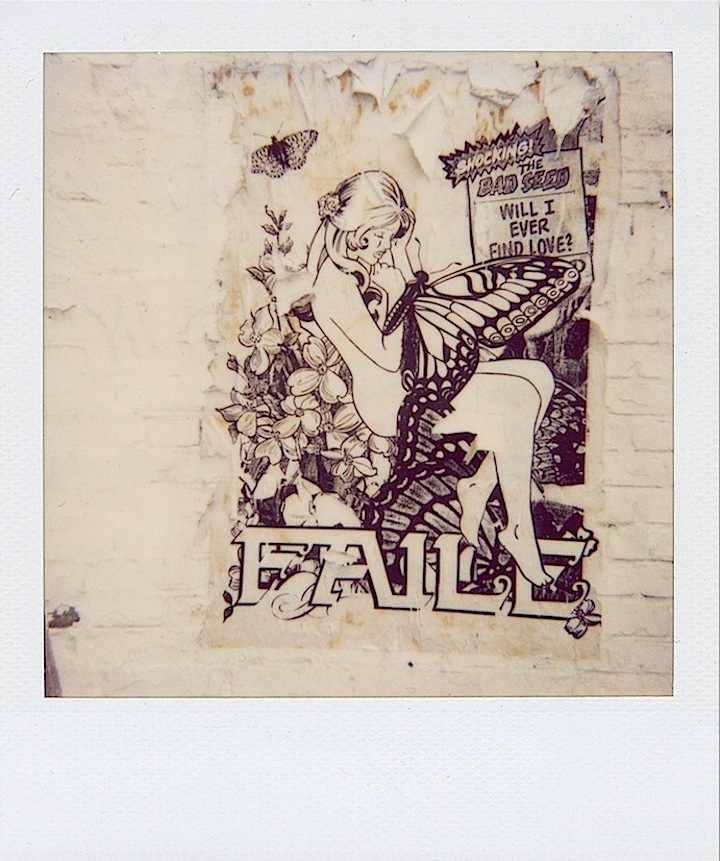
Faile- Copenhagen-2004

When it comes to preserving street art, I am still conflicted. As an art historian, I see a value in keeping material examples of street artworks for posterity. However, a key part of street art for me is that artworks are transformed over time, because the street is open to change and dialogue. When street artworks are placed under glass or cut out of walls to be preserved in a more controlled environment that openness is taken away. In preserving street artworks, I think one of the essential things that set street art apart from other art may be lost.
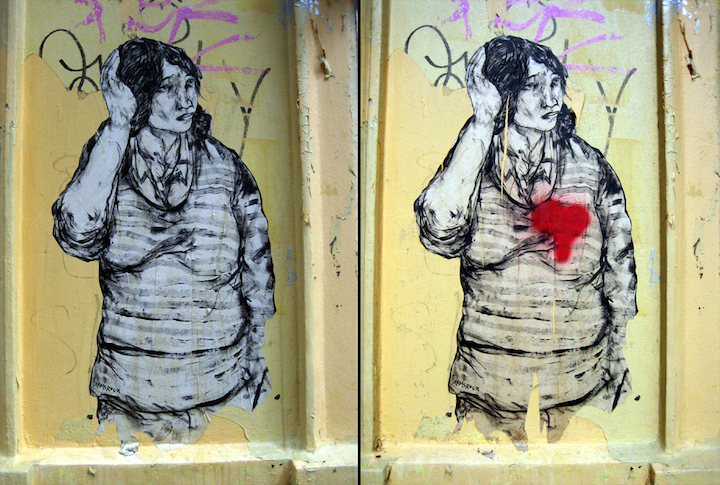
Armsrock-street-art-Copenhagen- -2008- two months

As an academic, what are some of the challenges you face when researching and writing about street art?

Even before I started my research, I found expressions of a rather strong anti-intellectual and anti-institutional mindset in the street art world. These public expressions have become less dominant in recent years as street art gets more integrated in the mainstream art world. However, academics that are seen to attempt “investigating” street art – rather than actually engaging with the art and the social environment that surrounds it – are sometimes still looked upon as a species of “culture vulture,” swooping in to pick the bones of a social and cultural environment they know little about. Over the years I have seen researchers fail in their work because they lacked a fundamental understanding of the social rules of the field they were trying to study.

To mitigate the critical attitude towards academic researchers, and the institutional art world they are seen to represent, I think first impressions are very important. In my own case, because my interest in street art was not academic to begin with, I had already been socializing with other street art fans for some time when I started doing formal research in 2006. While I have still met some skepticism and received derisive comments regarding my role as a researcher and my attempts to intellectualize street art, I think the connections I already had with other enthusiasts made it a lot easier to move forward with my project. If I had come from the outside with a research agenda, things might have been different.
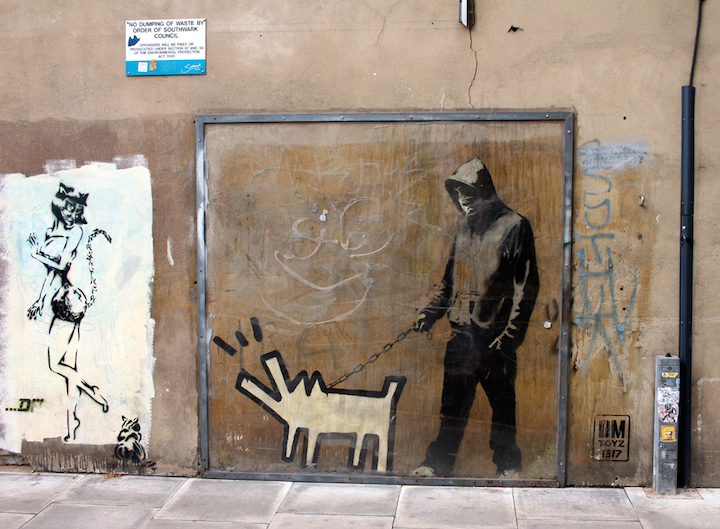
Banksy-stencil-art- London -2015-jpg

How have other street art enthusiasts – from bloggers and collectors to the artists themselves – responded to your academic approach to the subject?

Apart from the skepticism I already mentioned, people have generally been very positive during the research project. When I was working on the book, I had a lot of help from people who provided me with viewpoints, information, and – very importantly – photographs of artworks I couldn’t get to myself. My research budget doesn’t allow for expenses related to image rights, so if people hadn’t been so generous and willing to let me use their images, the book would have ended up looking very differently.

In terms of the finished book, the response has been overwhelmingly positive. I was confident I had created a solid piece of scholarly work, but it was also very important to me to write something that people outside the academic world would be interested in reading and could relate to. From the comments I have received, street art enthusiasts enjoy the book and recognize the world I am describing. This doesn’t mean they always agree with everything I write, but to me that is really great. My goal with the book was never to present the “truth” about what street art is – I actually don’t believe one such single truth exists. My hope was that the book could be part of an ongoing dialogue about street art, and critical engagement and disagreement are essential to that.
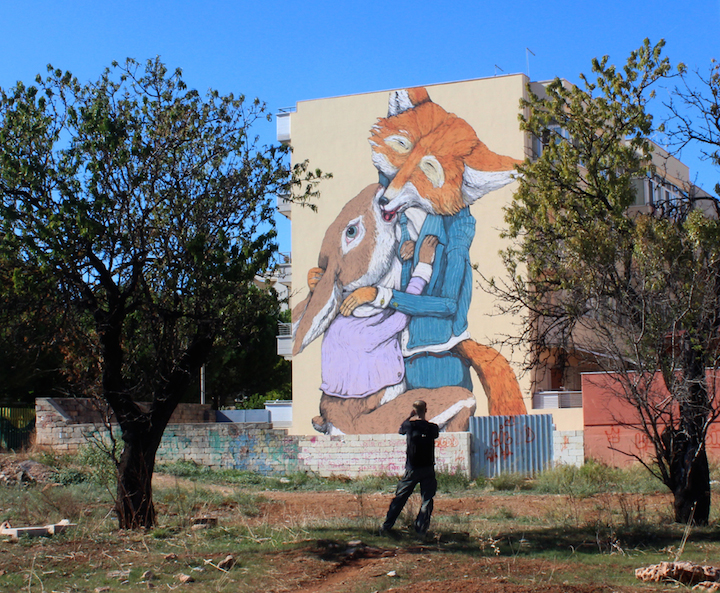
Erica-ilcane mural-Grottaglie-Italy-2012

What are some of the changes that you have observed in the street art “world” since you first began documenting it and writing about it?

One of the most significant changes is that the street art world has become increasingly professionalized. This can be seen in for example the establishing of commercial magazines dedicated to so-called urban art, the increasing number of print houses and galleries that produce and/or sell limited edition artworks, the companies around the world that arrange commercial street art tours, and the vast number of street art festivals that have popped up in the past decade. With a more professional system in place, I think it has become easier for some artists to make a living from their work. While this is a positive development in many ways, from a personal point of view I do find it tiresome that some artists now seem to consider doing street work simply as a way of promoting their commercial wares. This is for example reflected in the number of websites and social media handles that are now included in, or placed next to, work in the street.
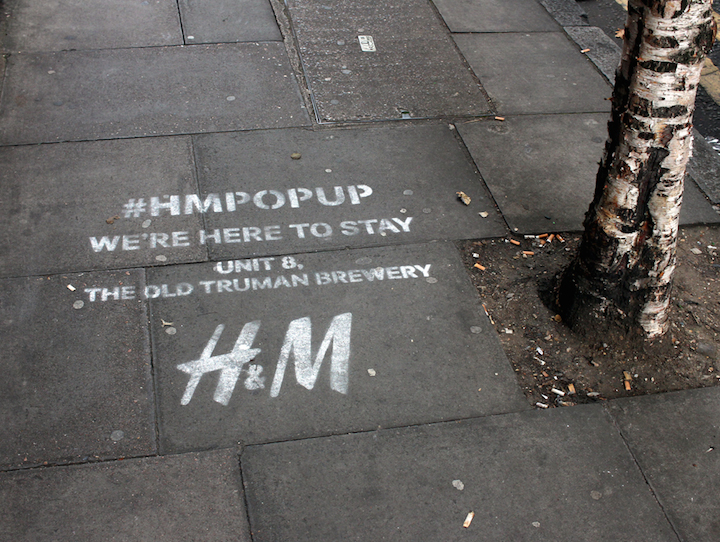
commercial-stencil-London

Along with the professionalization, street art enthusiasts seem to have become increasingly focused on the market value of commercial products. I see this very clearly on street art forums. Members have always discussed the value of their collections, but investment potential has gradually become the main focus since 2006, when urban art really started becoming a thing with galleries and auction houses. I think this development may partly represent a change in attitude among the people who were into street art when I first started out with my studies, but I strongly suspect it is also because a different demographic has taken an interest in street art and/or urban art as an investment object. Sadly, it seems to me that critical discussion about the art itself has largely been quashed by the market.

What are some of the key factors that have contributed to these changes?

Money obviously has a lot to do with the way the street art world has developed. With the increasing recognition and popularity of street art/urban art, it has become big business for some to provide a growing customer base with consumable products like limited edition screen prints. As a result, a growing number of print houses are constantly on the lookout for new artists, and it is not uncommon to see prints from artists who have done very little street work. This is in part possible because artists today make very conscious efforts to be “discovered” quickly, for instance by placing their street work in highly photographed areas and by leaving their contact details in or next to the work.
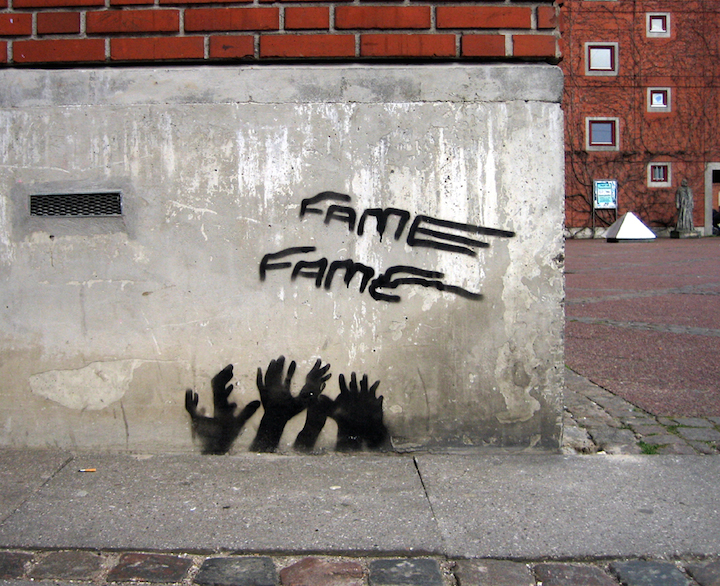
04 unknow artist, Copenhagen (2008)

Having witnessed the market success of some of the older generation of street artists, it is perhaps not surprising that members of a new generation see doing street work as a shortcut to a commercial career. Lack of experience and maturity on the part of these artists may be one reason a lot of the commercial work released today is very formulaic and/or blatantly rips off previous work by other artists. Despite this, much of the published work seems to sell out. It is hard to say whether this is because customers actually like the artwork, and perhaps are unaware of the source material, or because they don’t want to miss out on what is often deliberately presented to them as an investment opportunity. However, the number of prints on the secondary market is an indication that a lot of customers do see their purchases as investments.

Apart from money, technological developments have profoundly influenced the street art world. Digital photography and videography has made it simple for people to create visual material, and the internet in general – and social media in particular — enables people to share what they, and others, produce.
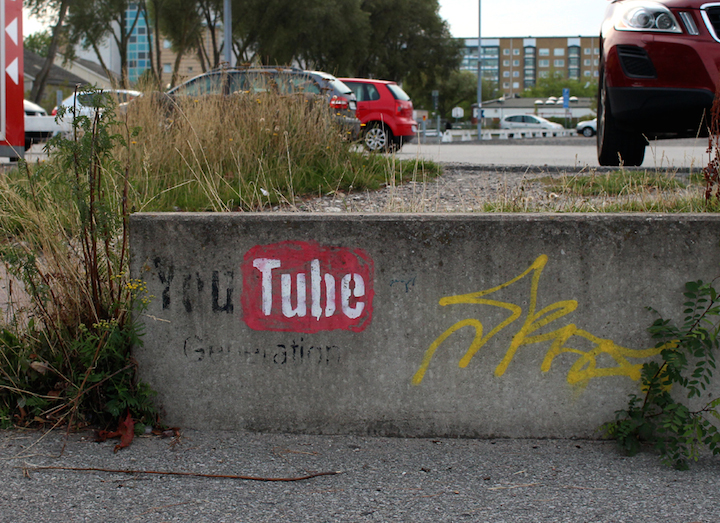
05 unknown artist, Malmö (2015)

I think the ease of sharing content has played a very important role in the developments seen in the street art world. It is to a large degree through the online sharing of visual material that the interest in street art is spread to new people. These new enthusiasts — and potential consumers — form a basis for the continued existence of the marketplace that now constitutes a central part of the street art world.

Is street art dead? Or is it just sleeping?

I would say that all depends on your definition of street art. The notion of the death of street art comes about when someone experiences a conflict between a specific, subjective ideal of what street art should be and what they think it has become. The statement “street art is dead” has been popping up at regular intervals for as long as I have followed the street art world, yet people are still making, documenting, discussing and trading what they call street art. Although the street art world has become more professional and commercially oriented, much to the frustration of some, I don’t think this implies that street art is dead or even dying. It simply means street art – like all things – is evolving.
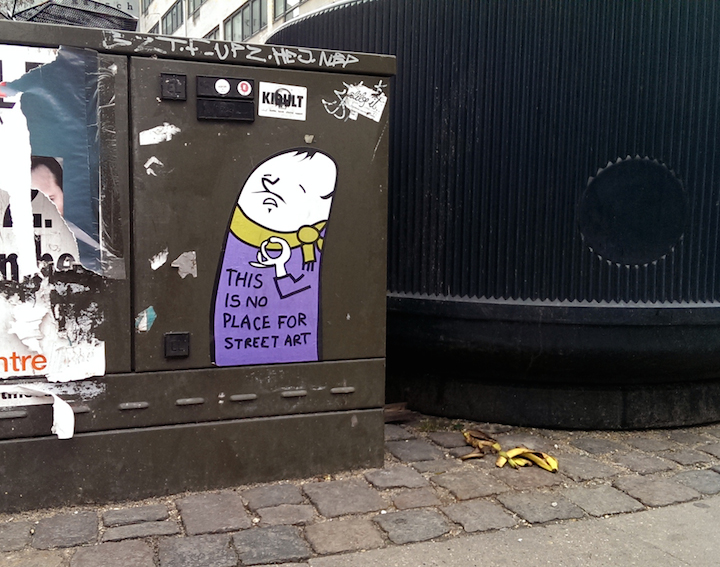
06 Kissmama paste-up, Copenhagen (2013)

Note: If you are interested in purchasing a copy of the book or if you want more information about it, you can contact Peter at peter.bengtsen@kultur.lu.se. You can also check out Joe Austin‘s review of the book here

Interview by Lois Stavsky; all images courtesy Peter Bengtsen

1. Cover illustration:  Ericailcane

2.  Failepolaroid of paste-up, Copenhagen, 2004

3.  Armsrock, photos of the Danish artist in Copenhagen, taken in July and September 2008, illustrating how artworks are gradually transformed in the street context

4.  Banksy, stencil painting behind acrylic glass, London, 2015

5.  Ericailcane, mural Fame Festival, Grottaglie, 2012

6. Stencil, filling the street – a space already over saturated with commercial messages – with additional advertising

7. Stencil painting, unknown artist,  Copenhagen, 2008

8. Stencil, Malmo, Sweden, 2015

9. Kissmama, paste-up, Copenhagen, 2015

Note: Hailed in a range of media from the Huffington Post to the New York Times, our Street Art NYC App is now available here for Android devices.

en-play-badge 2

{ 0 comments }