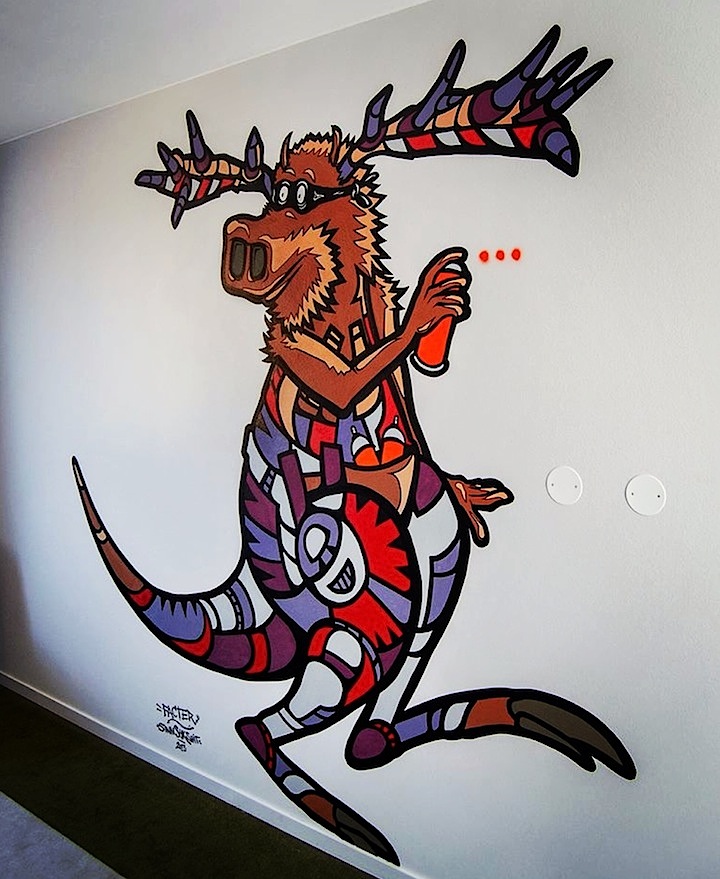
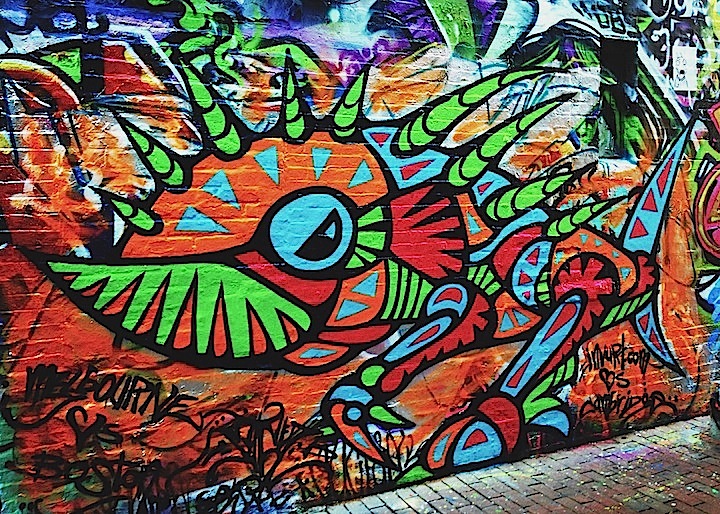
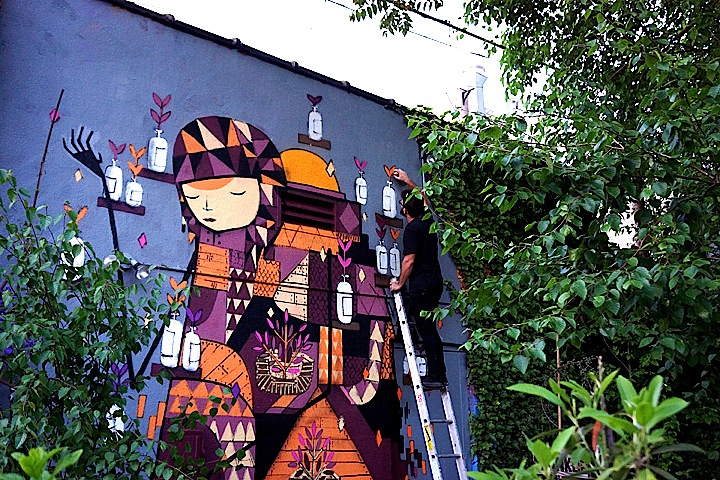
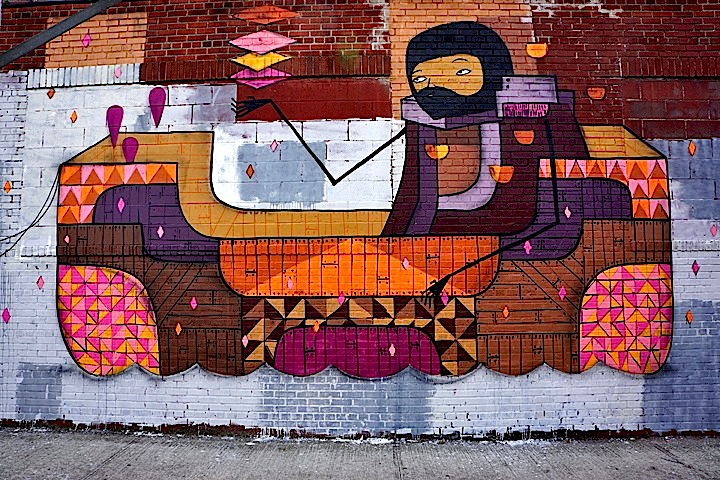
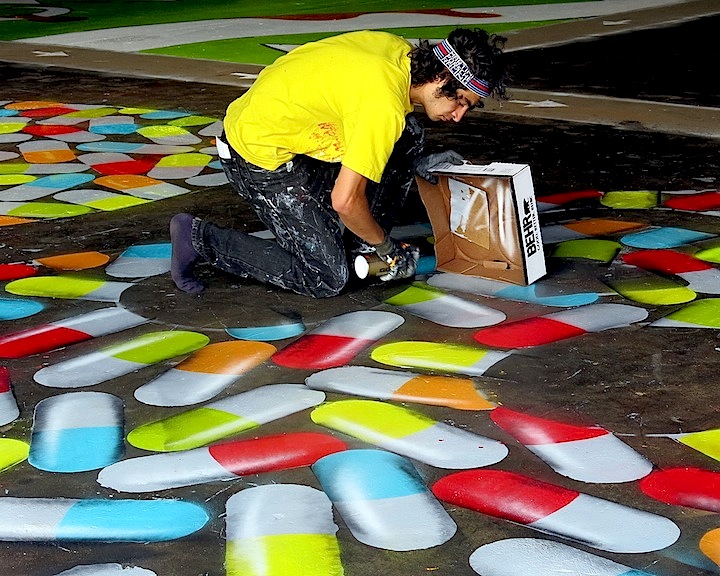
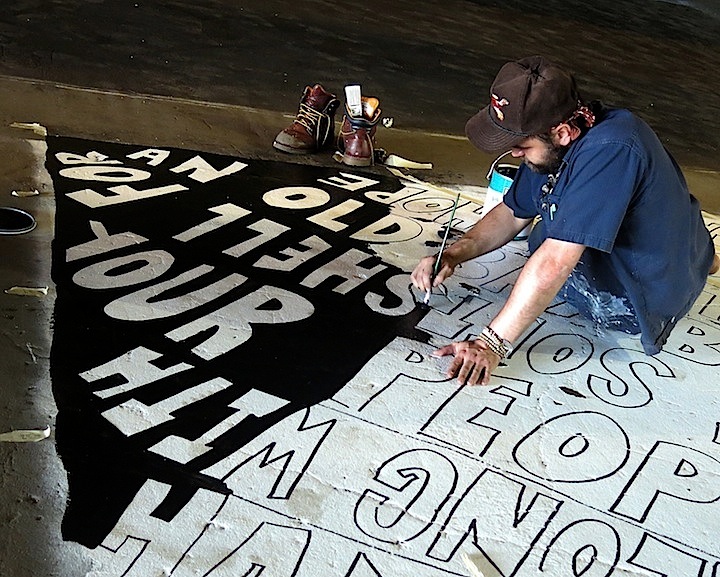
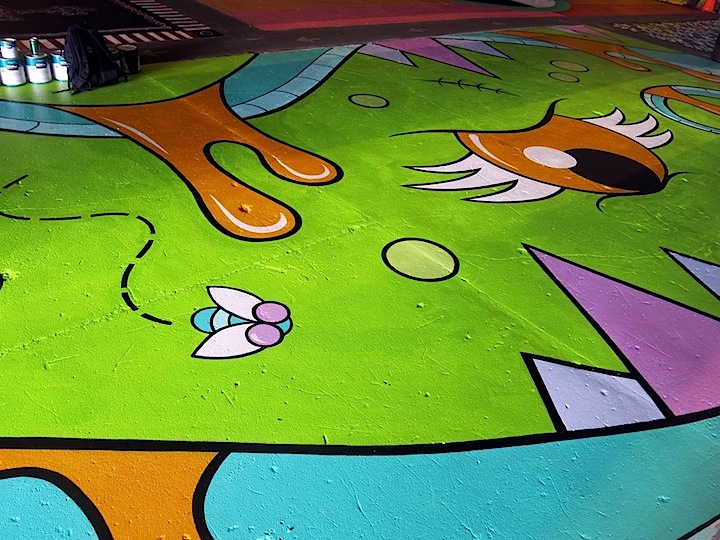
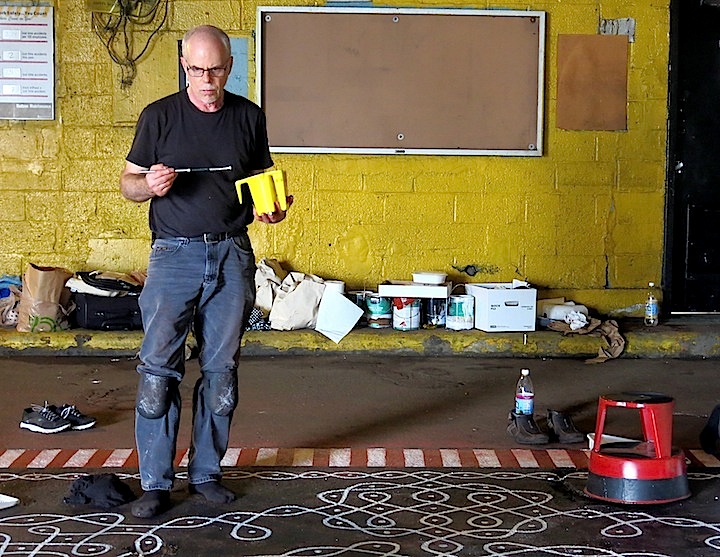
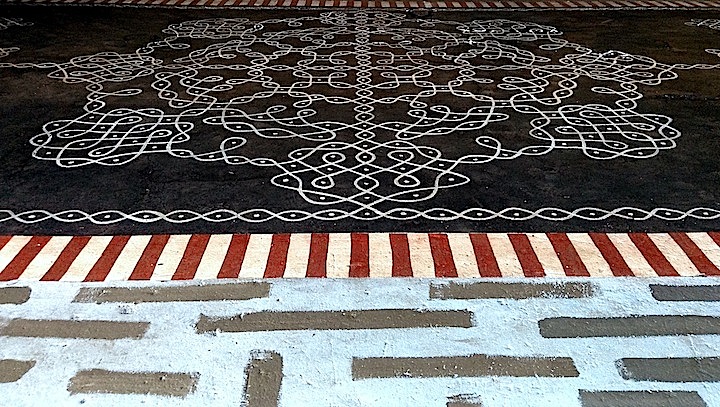
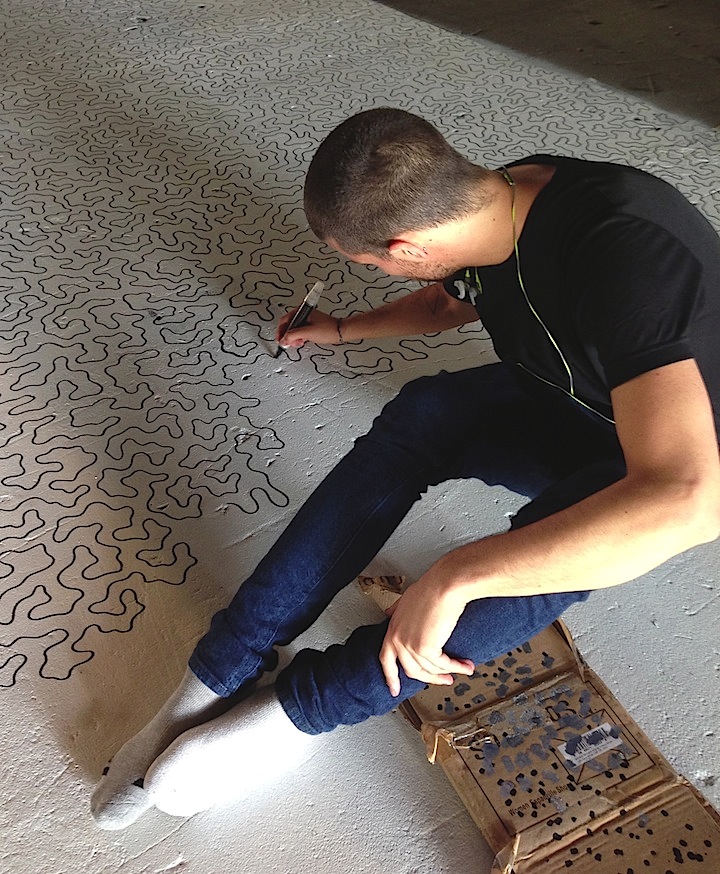
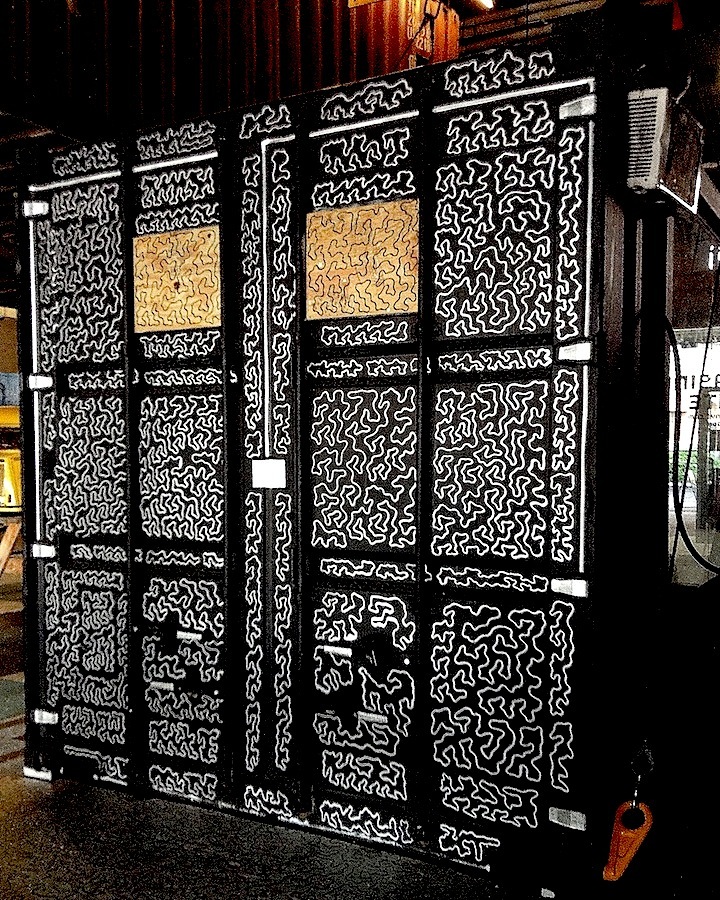
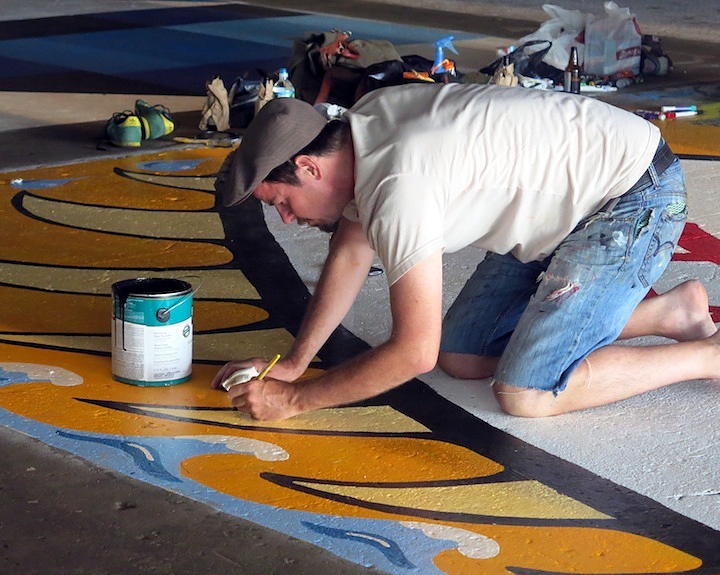
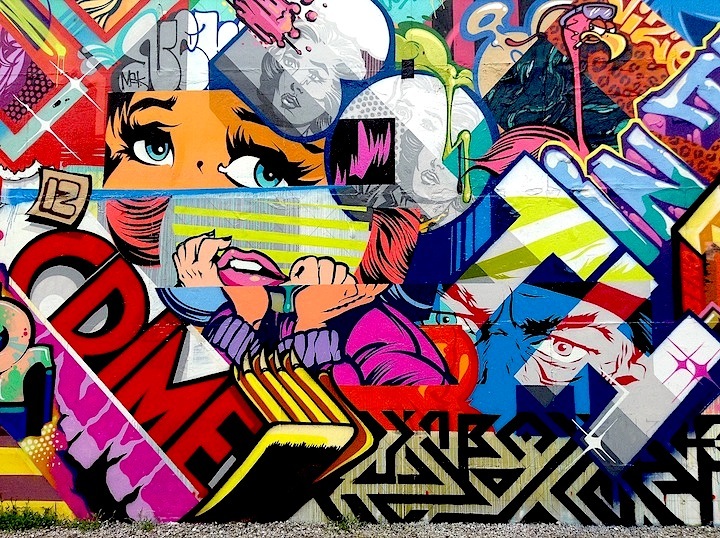
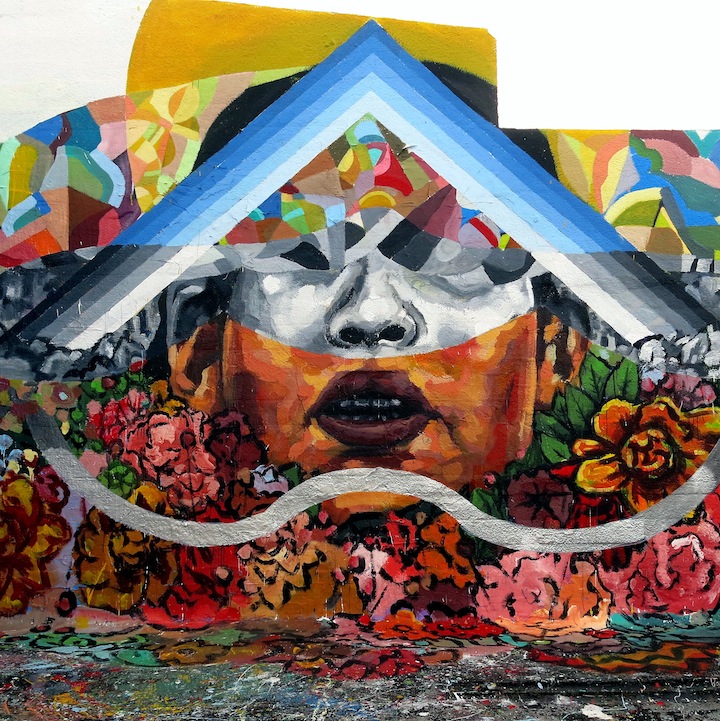
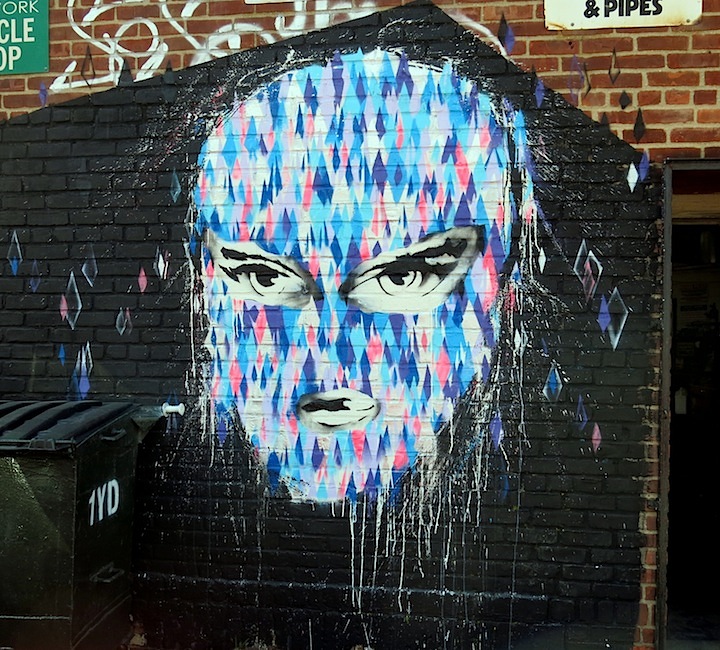
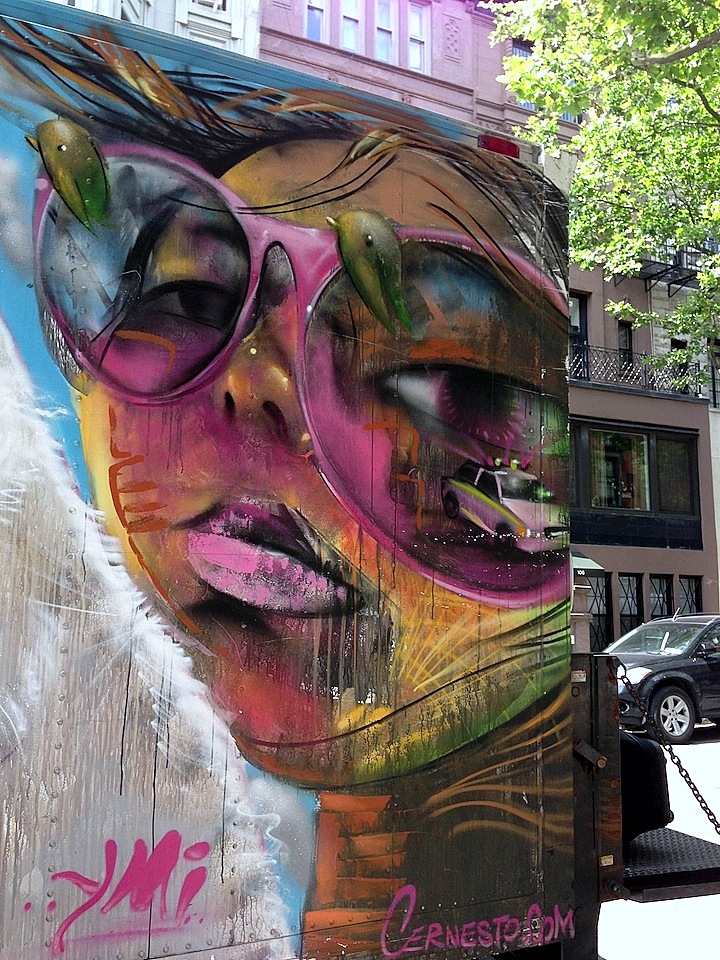
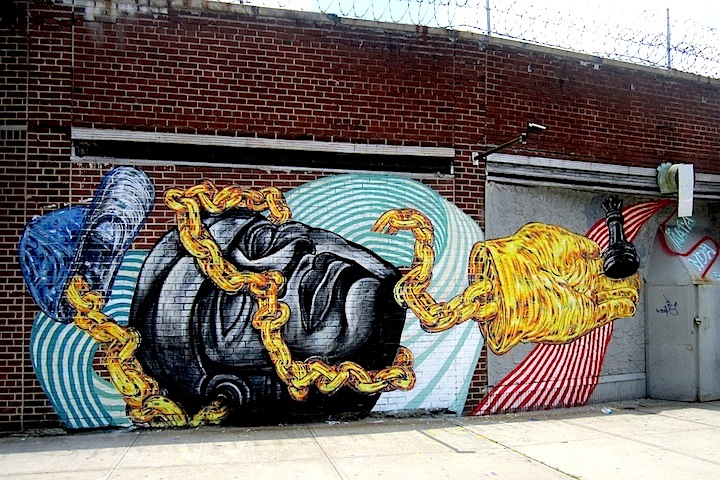
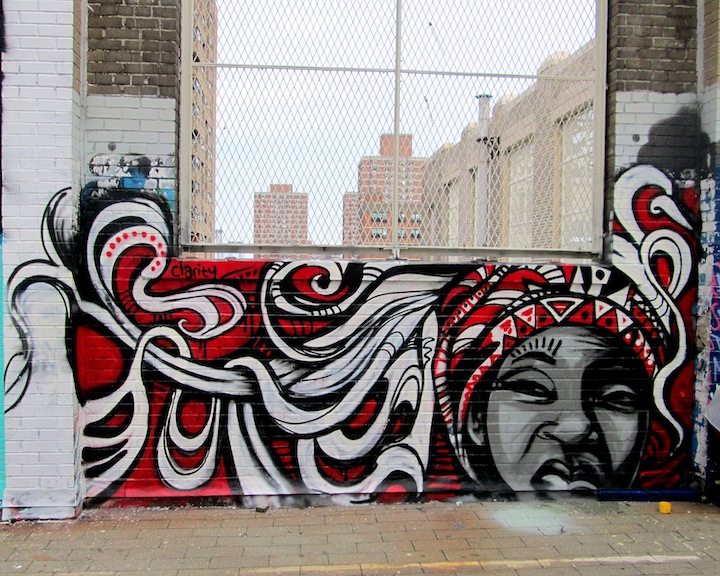
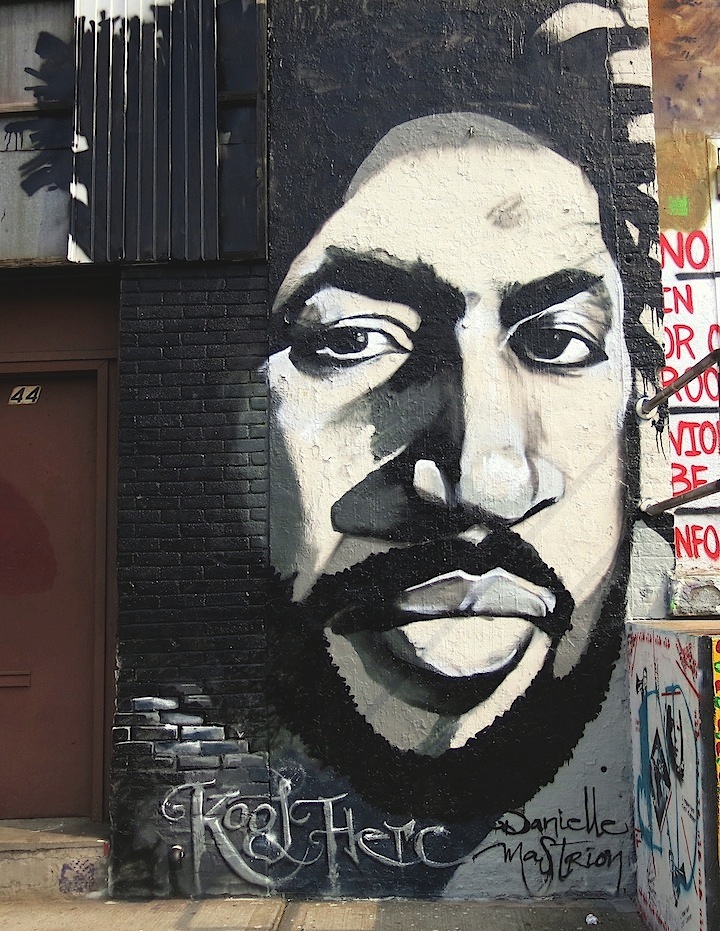
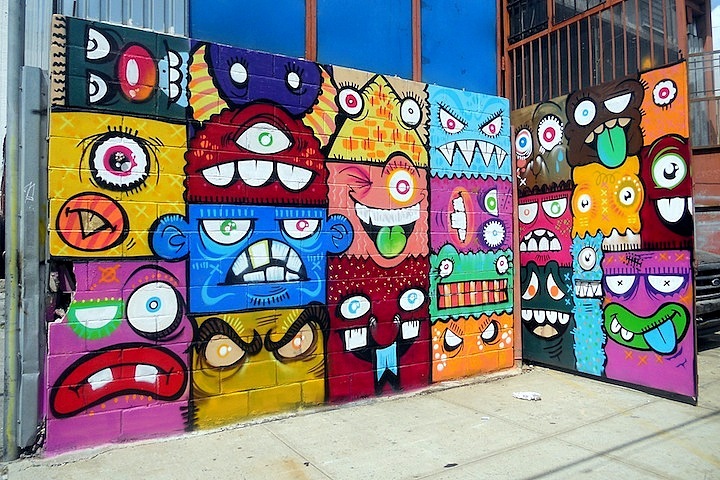
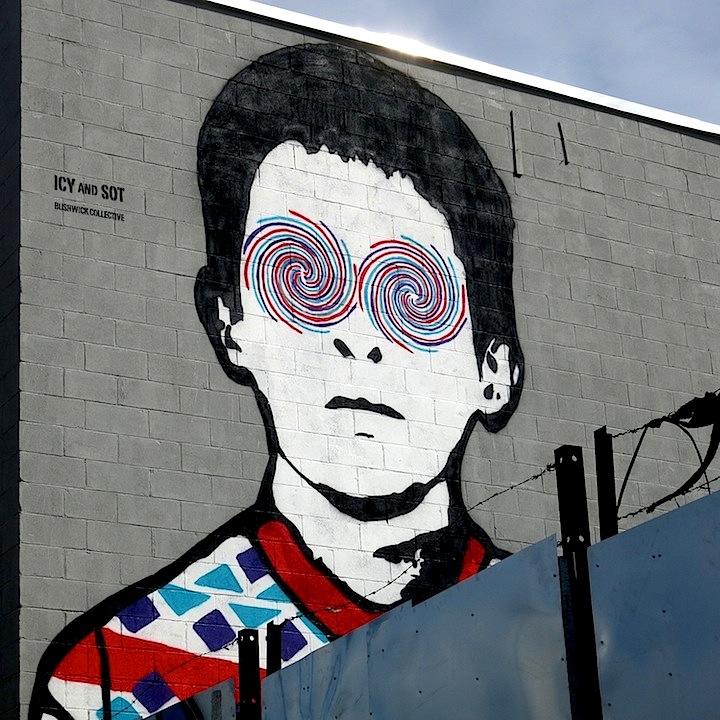
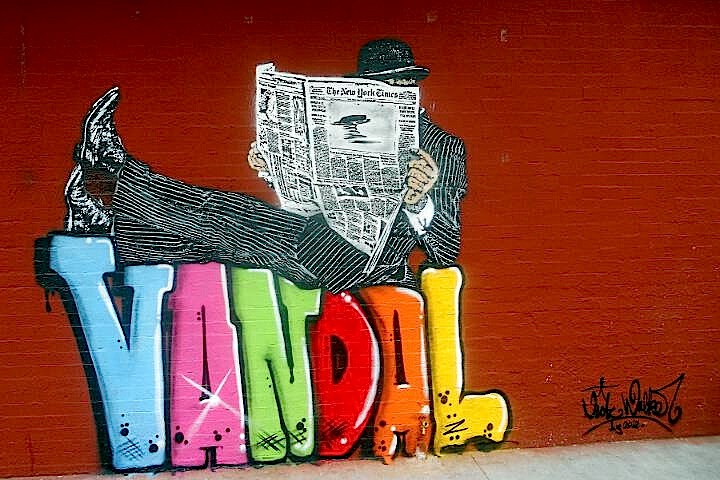
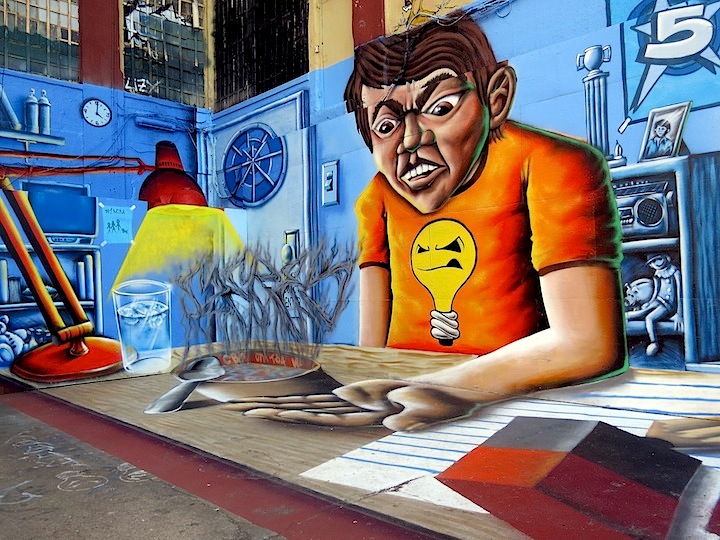
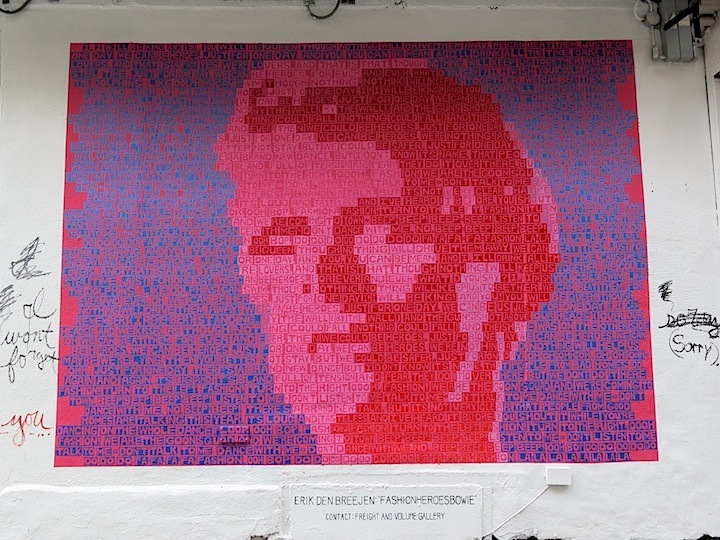
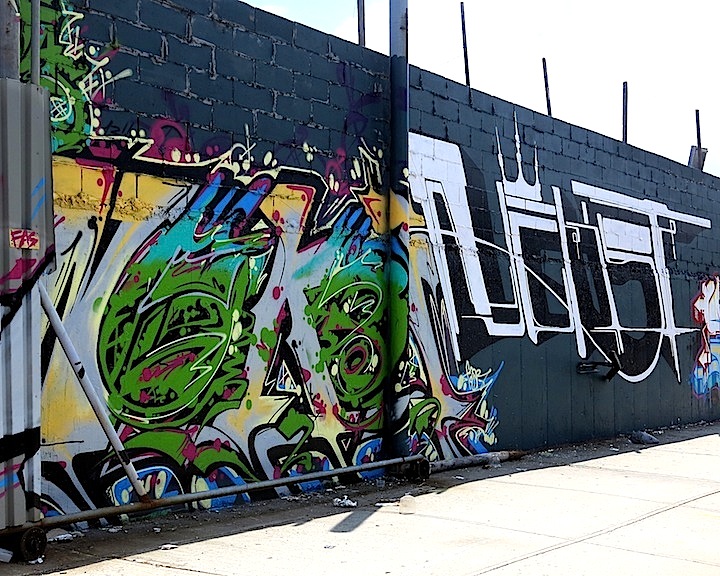
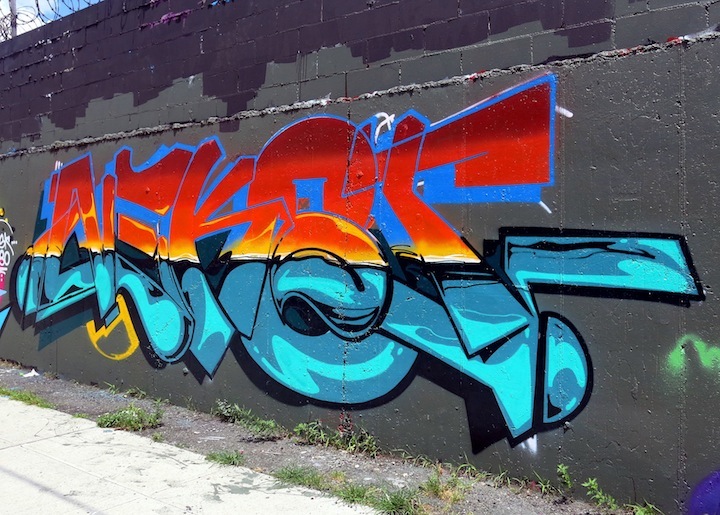
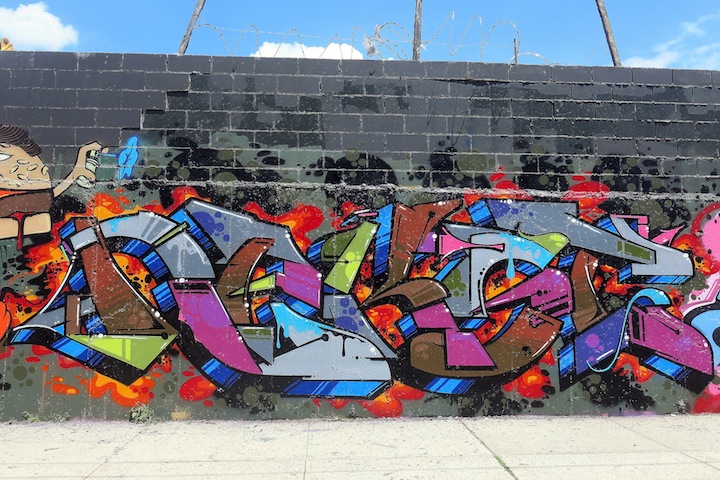
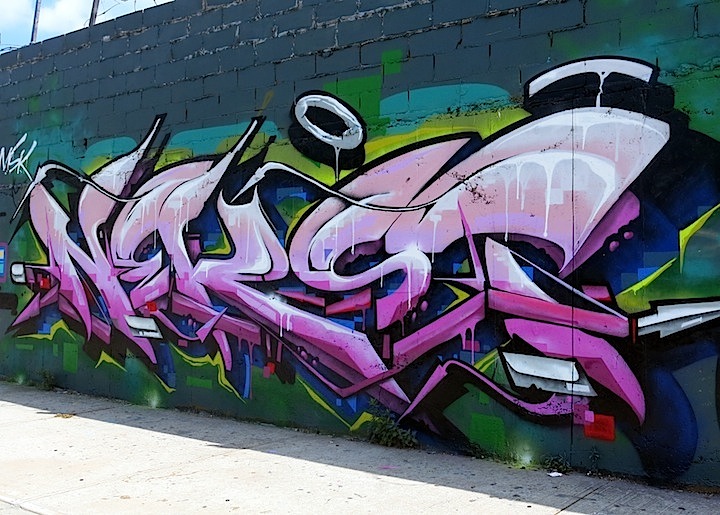
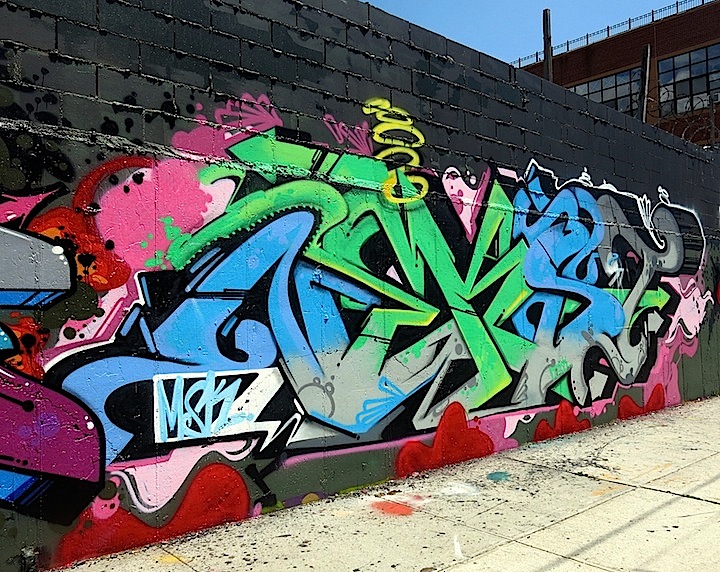
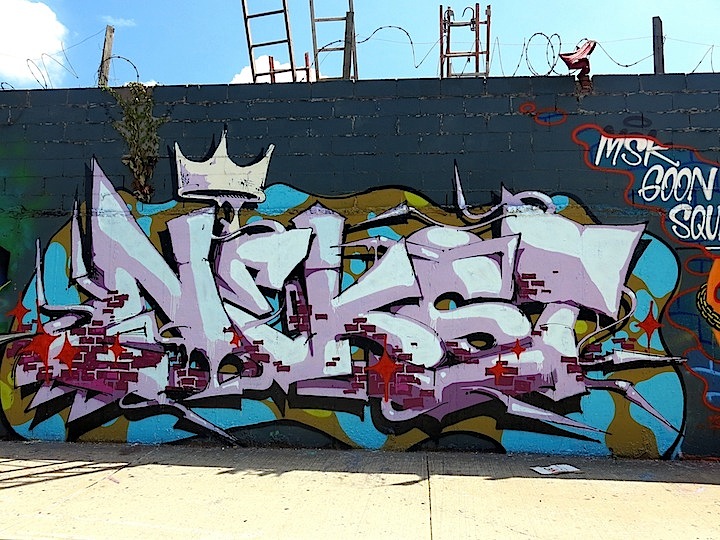
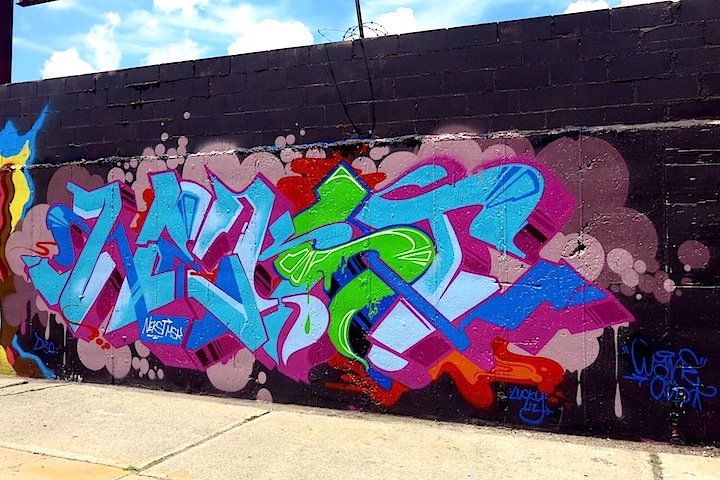
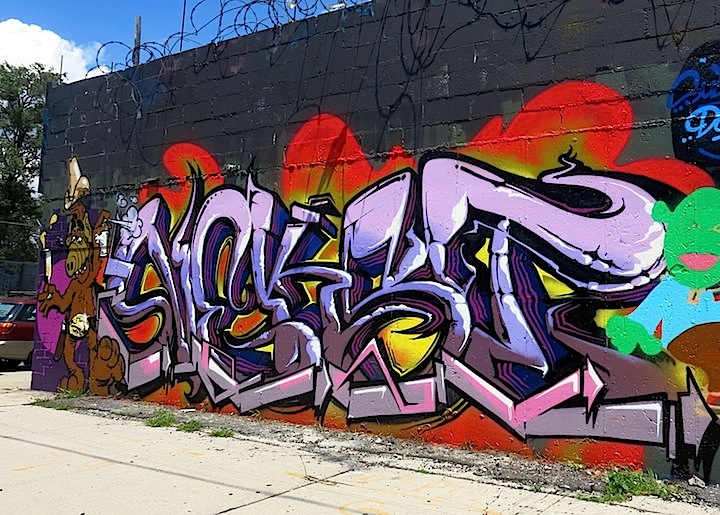
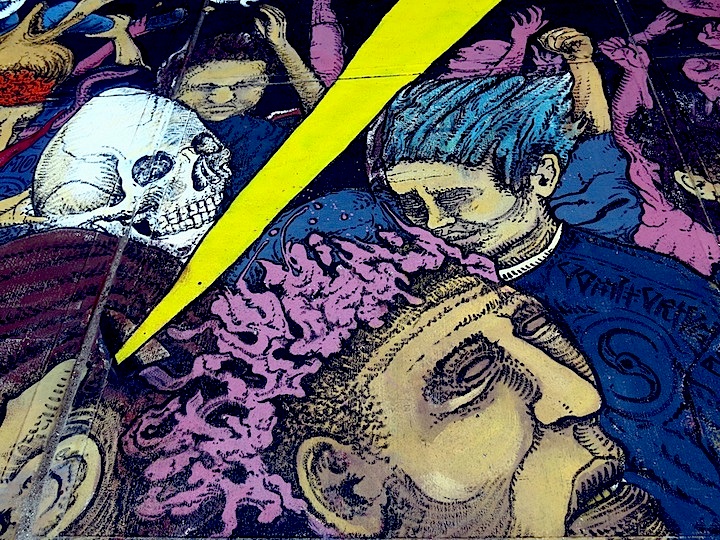
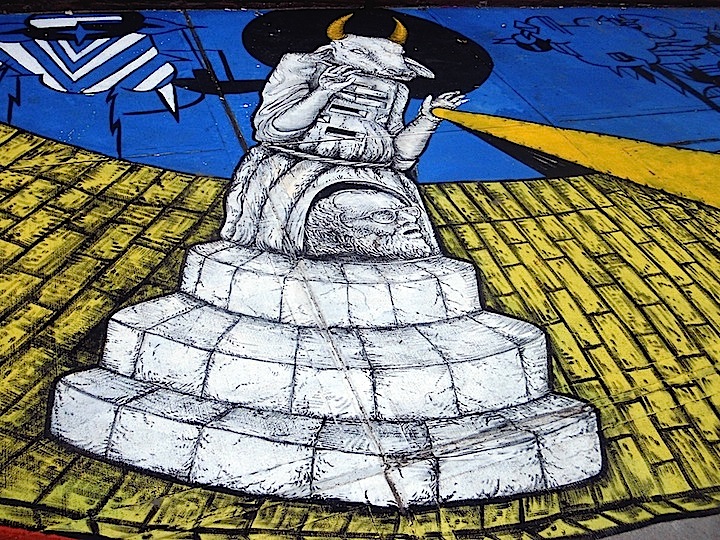
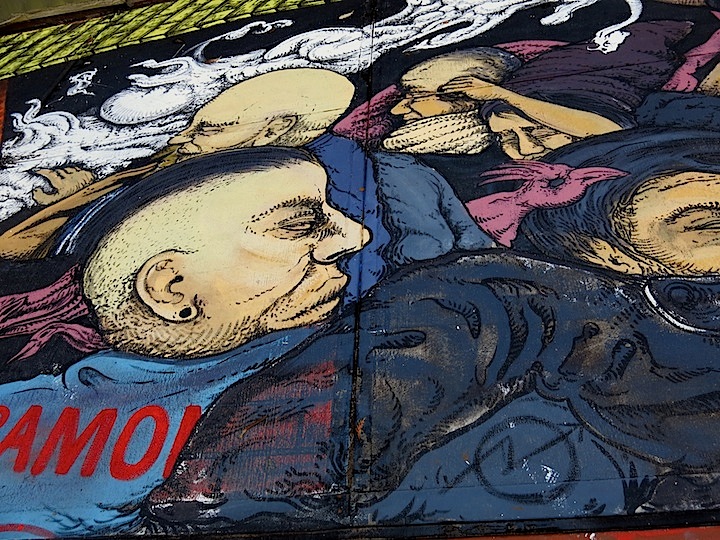
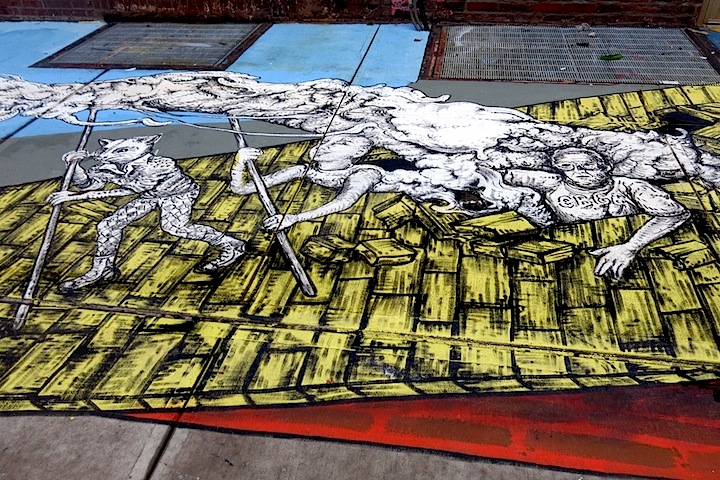
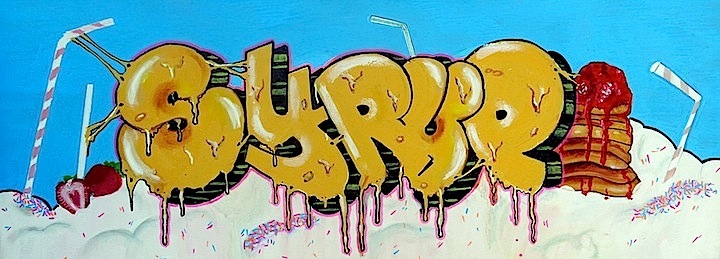
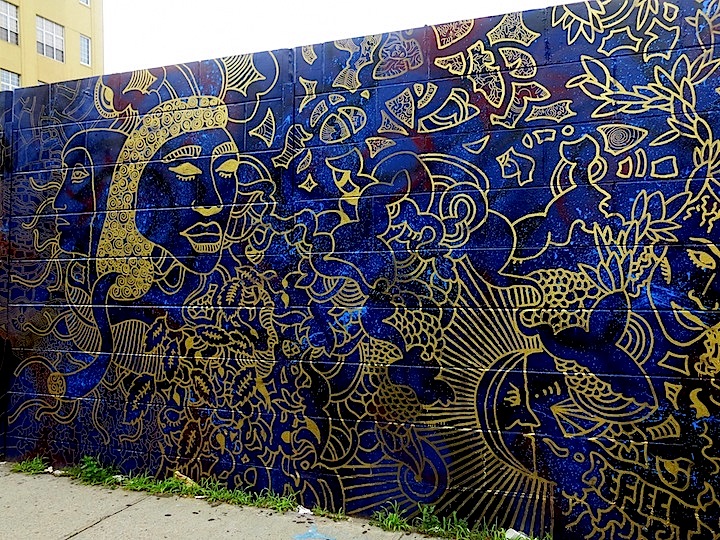
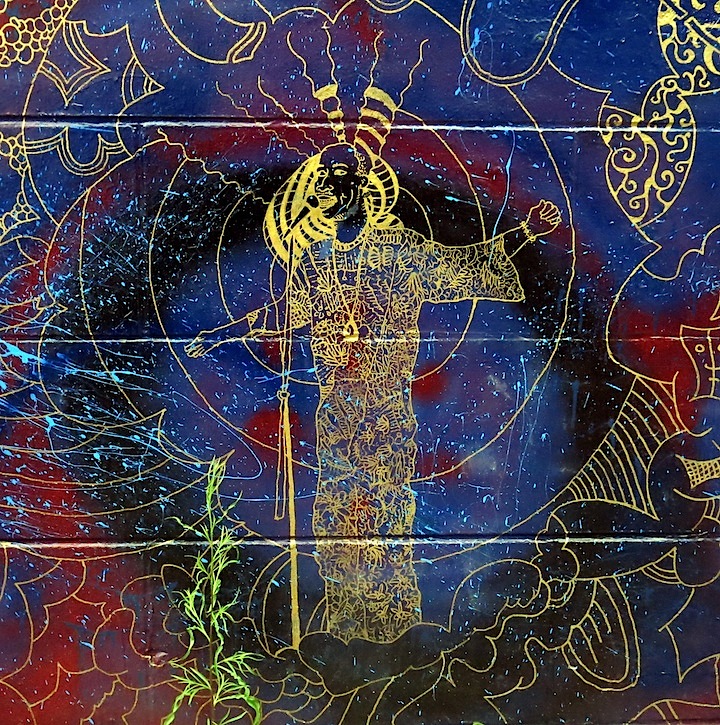
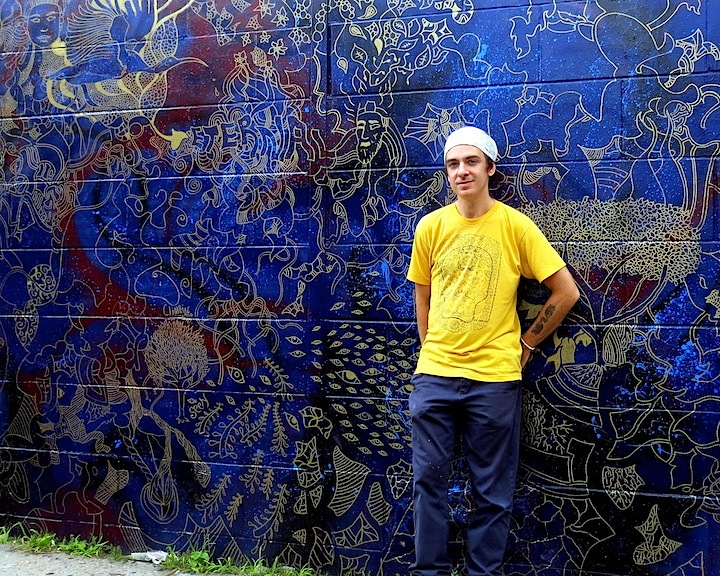
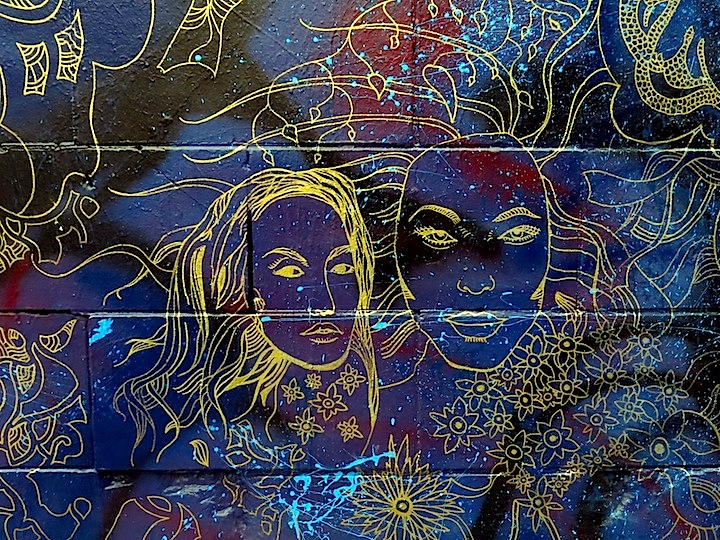
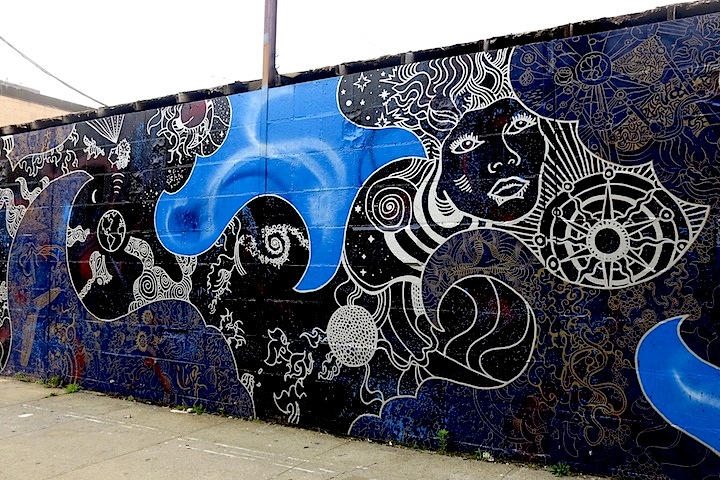
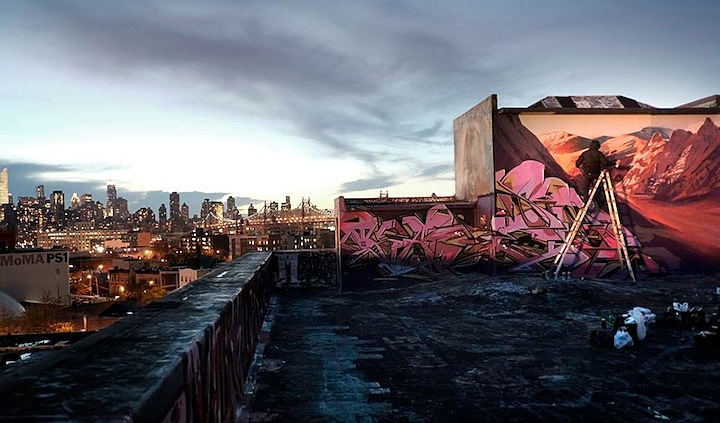
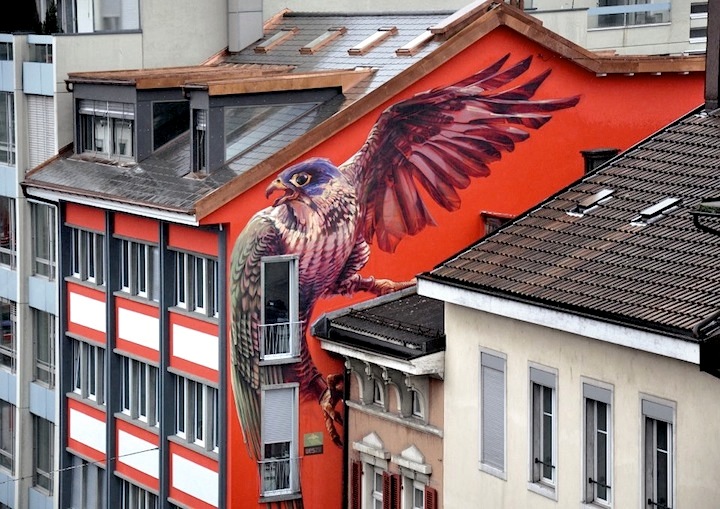
This is the second in an ongoing series featuring the range of faces that surface daily on NYC’s public spaces:

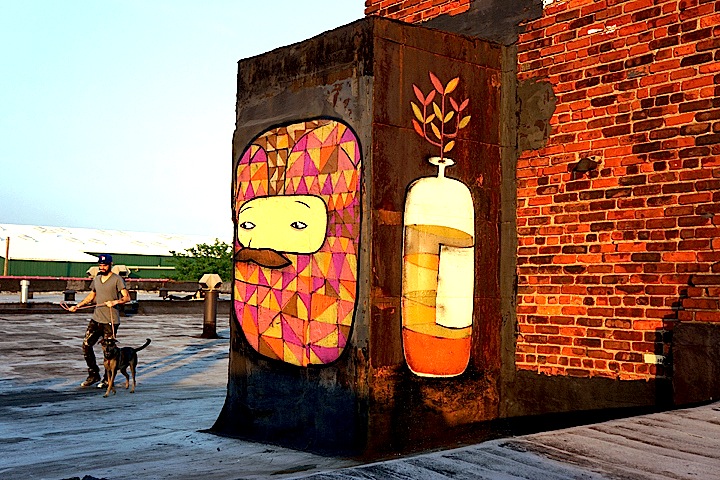
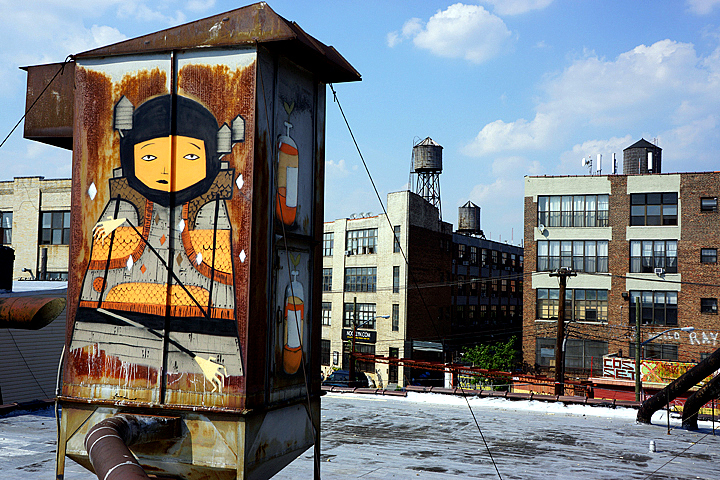
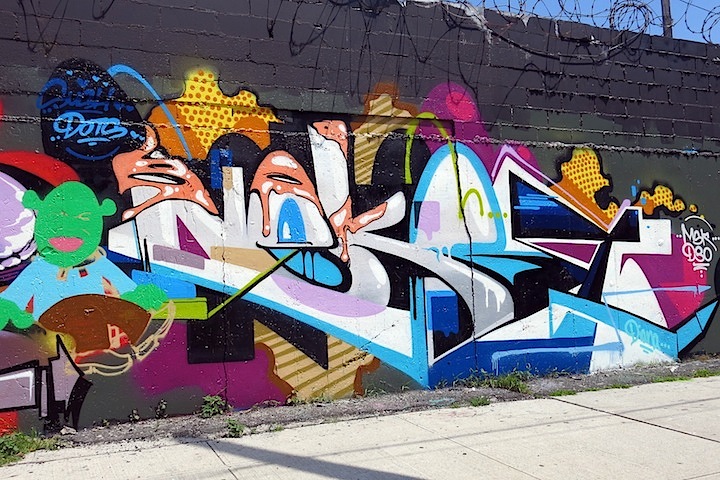
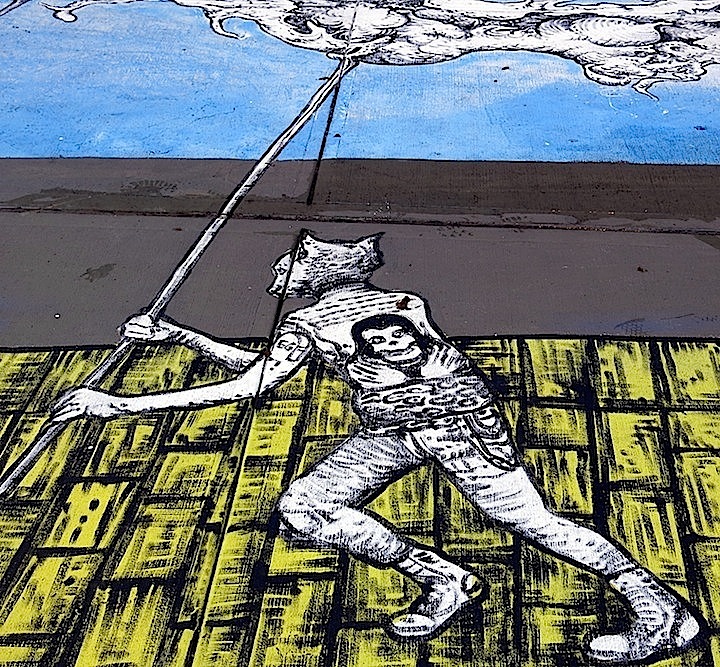
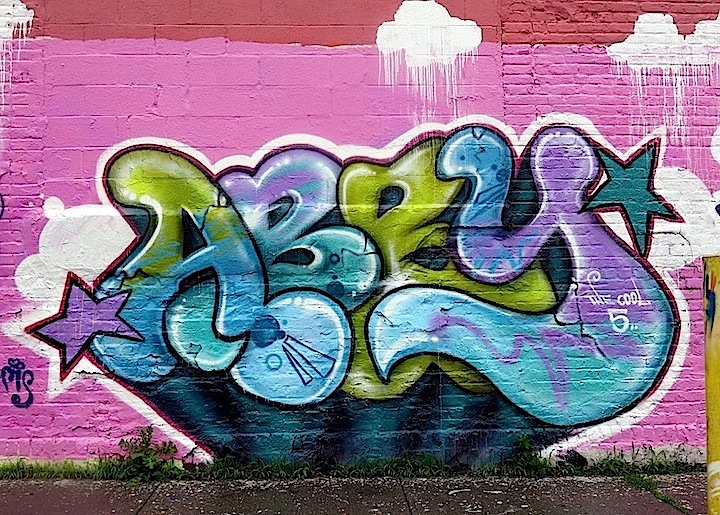
Australian artist Jess Busj at 5Pointz in Long Island City, Queens — close-up

Jess Busj

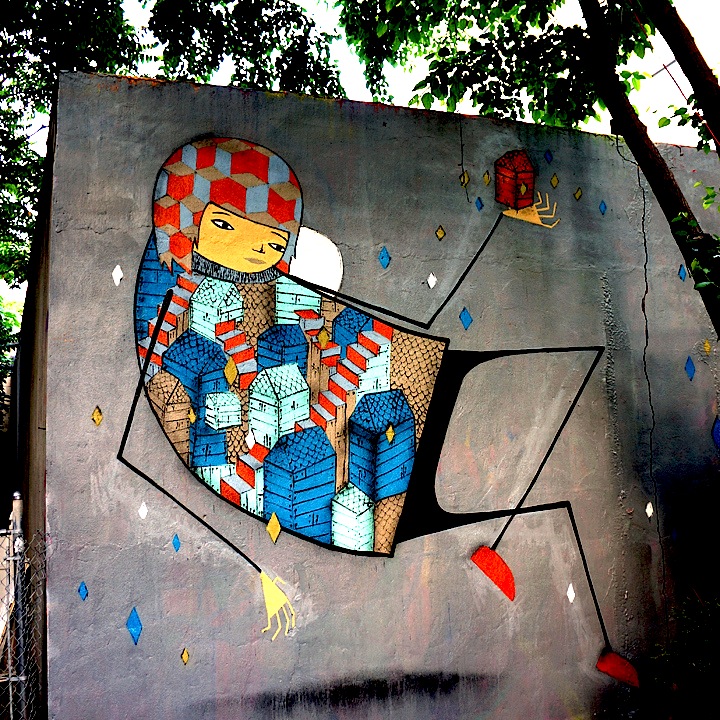
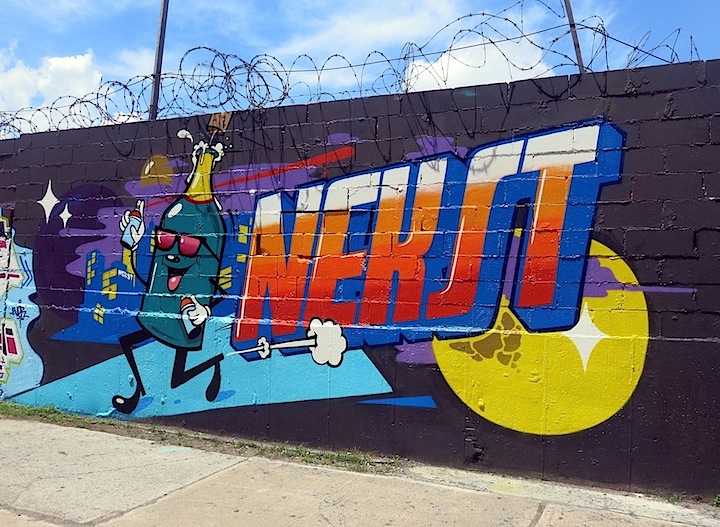
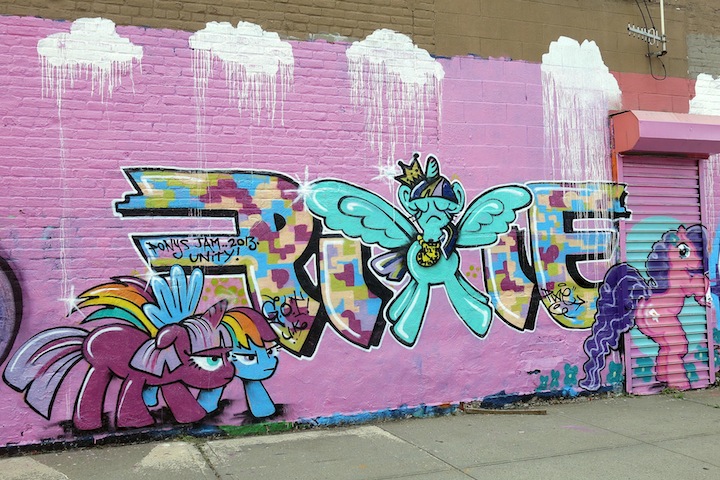
Russell King and Matt Siren at Welling Court in Astoria, Queens

Russell King and Matt Siren

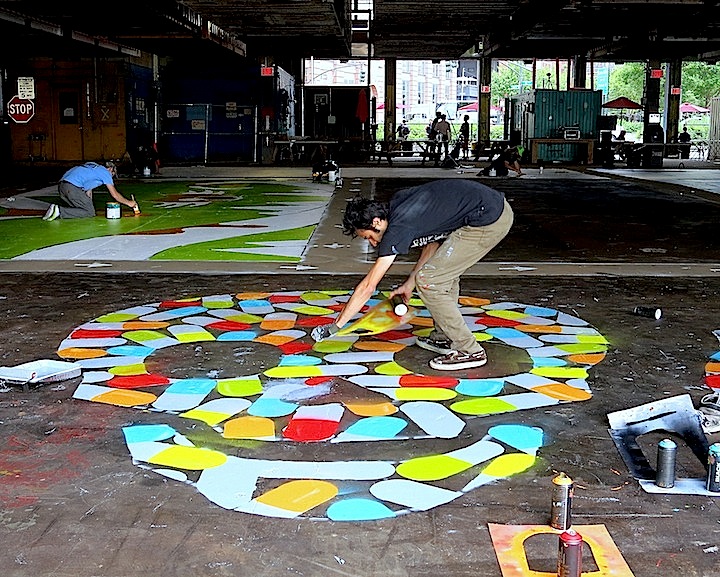
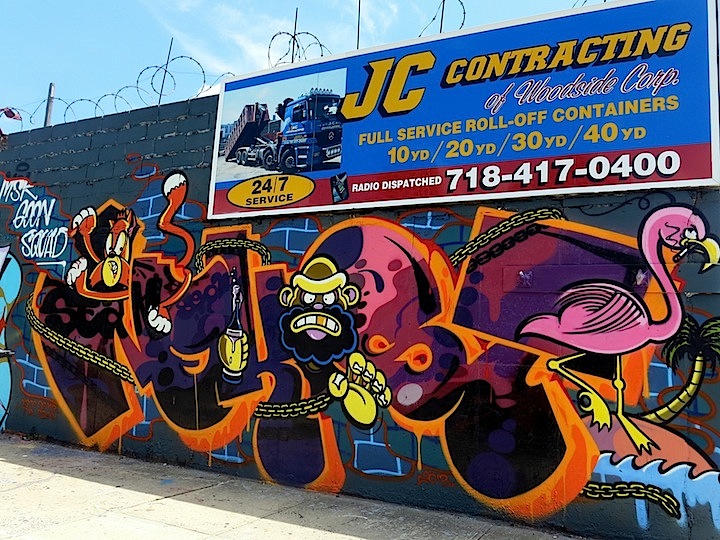
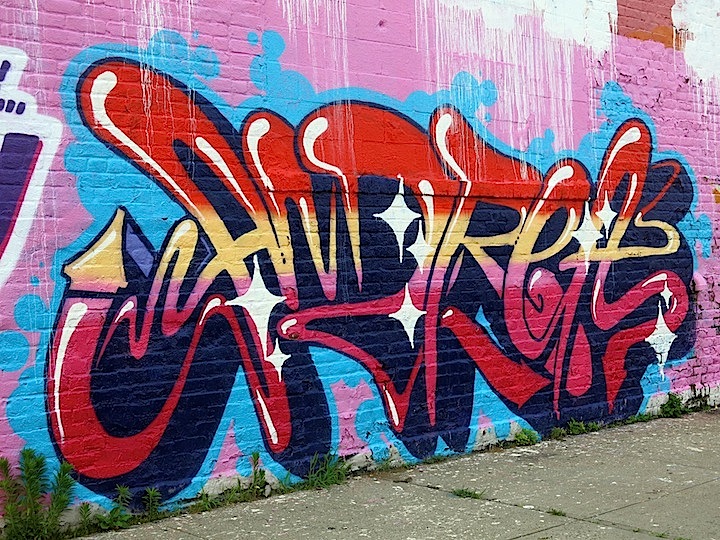
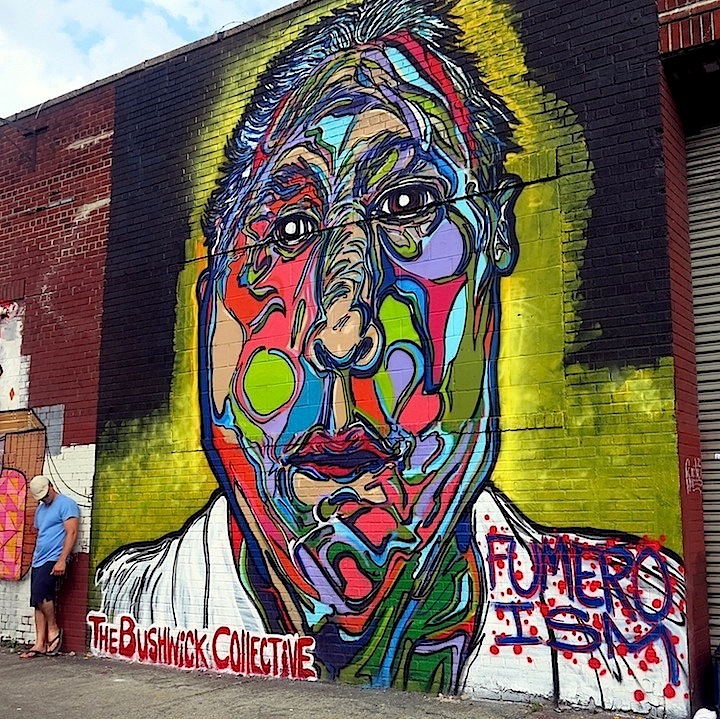
Mata Ruda at the Bushwick Collective

Mata Ruda

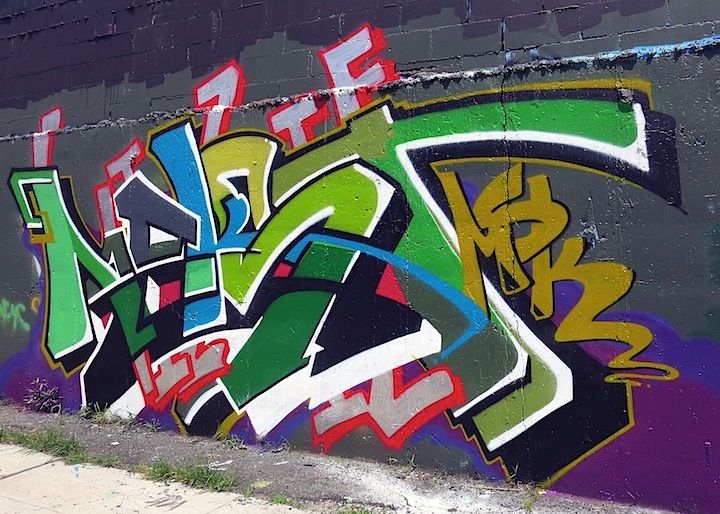
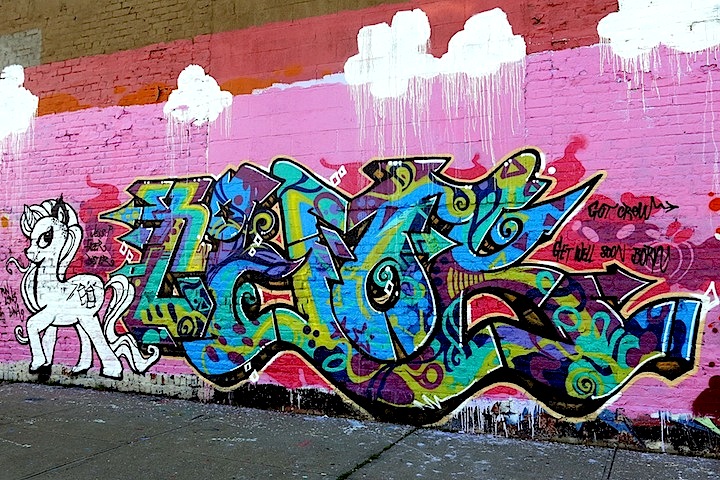
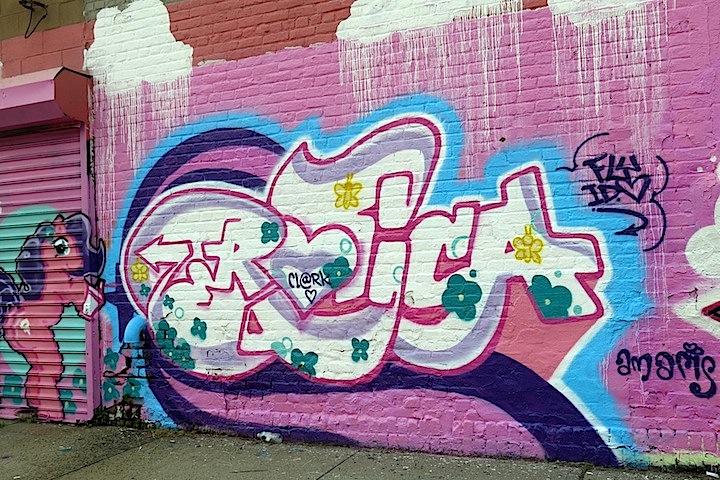
Joseph Meloy at 5Pointz in Long Island City, Queens

Joseph Meloy

Toofly at the Bushwick Collective

Toofly

Australian artist Daek on Manhattan’s Lower East Side

daek william

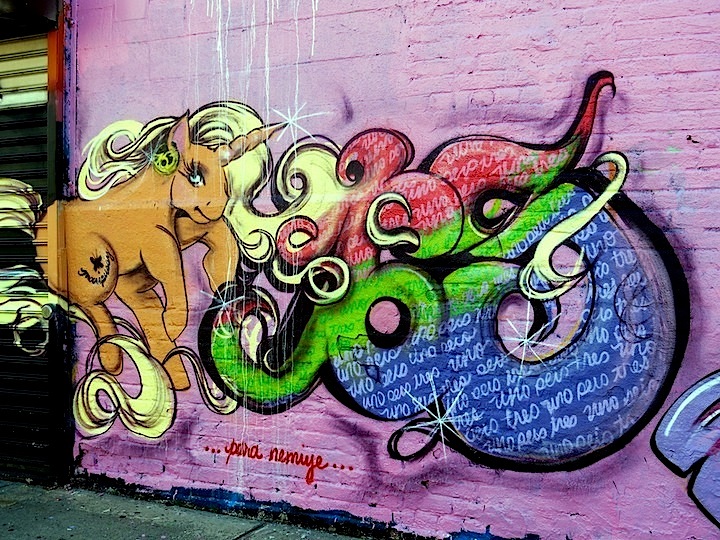
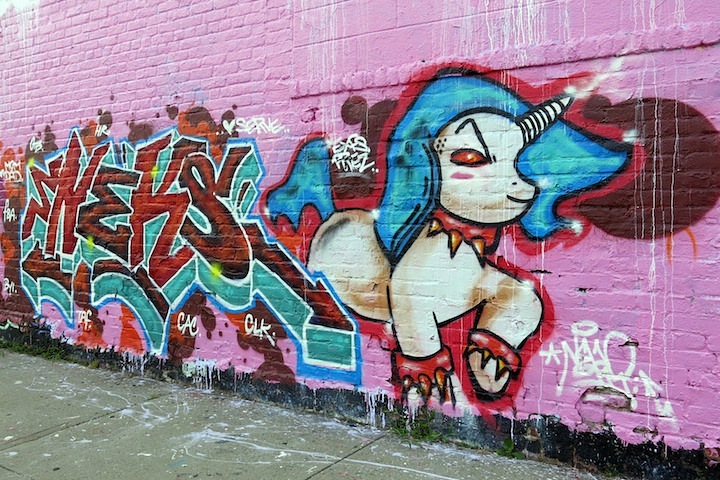
Nelson Rivas aka Cekis in the Hunts Point section of the Bronx

Nelson Rivas aka Cekis

Photos by Lenny Collado, Tara Murray and Lois Stavsky
{ 0 comments }

NYC became a bit more colorful and joyful these past few weeks, as Bortusk Leer’s lovable monsters found their way here — both on the streets and at CULTUREfix on Manhattan’s Lower East Side.

Bortusk-leer-street-art-in-NYC

When did you first start getting your artworks up in public spaces? And where?

In 2006 in London.

What inspired you at the time?

I was working at the Leonard Street Gallery, where I became friendly with lots of street artists.  And both Sweet Toof and Cyclops said to me, “Why don’t you just put your work out on the streets?” And so I did. I began stenciling pigeons onto newspaper and cardboard and stuck them up. The monsters came somewhat later.

Your monsters are quite joyful!

Yes. I was seeking an antidote to all the negative images that I passed daily on the streets. I wanted to get something out there that would cheer folks up.

bortusk-leer-paints-in-NYC

What percentage of your time is devoted to art these days?

Most of it. Between commissions and art sales, I’ve been earning enough money to be a full-time artist.

Have you a formal art education?

Yes. I studied art in a formal setting for six years. First at Canterbury Tech and then at the Falmouth College of Arts.

Any thoughts about the move of street art into galleries?

In my case, I was exhibiting artwork in galleries long before I shared it on the streets. It’s a different experience.  I certainly don’t have a problem with street artists selling their work in galleries. 

bortusk-leer-monsters-on-newsprint

Any favorite cities?

Amsterdam – where I’m based these days.  It has everything a big city has – without its madness.

How has your work evolved in recent years?

It’s become more stylized. I’m actually trying to loosen up a bit.

Are you generally satisfied with your finished piece?

Generally, yes!

Bortusk-Leer-street-art-paste-up-in NYC

How would you describe your ideal work environment?

Lots of music, space and light!

What inspires you these days?

Everything! I can’t stop drawing.

Are these any particular cultures that have influenced your aesthetic?

I love the primitiveness of ancient cultures. And I’ve also been influenced by cartoons!

Any favorite artists?

I love Picasso. And I’ve been particularly inspired by the members of the CoBrA Movement and the works of one of its founders, the Dutch painter, Karel Appel.

Bortusk-leer-in-SoHo

How do you feel about the role of the Internet in all this?

It’s a good tool for networking and a great way to find out what’s happening.

Any thoughts about the graffiti/street art divide? Is it apparent to you?

There is a divide, but it doesn’t really affect me.  Graffiti, I feel, demands greater technical expertise.  And I can understand why graffiti writers might resent street artists who gain acceptance more easily. But I do feel that both forms will eventually merge into one.

What do you see as the role of the artist in society?

Many roles! But mine is to cheer people up.

Bortusk Leer’s lovable monsters remain on exhibit at CULTUREfix through Sunday.

Photos by Tara Murray and Lois Stavsky
{ 0 comments }

This is the fifth in an occasional series of artwork on NYC shutters.

Kenji Takabayashi at Welling Court in Astoria, Queens

Kenji Takabayashi

Kosby at Welling Court in Astoria, Queens

Kosby

Zam Art at Welling Court in Astoria, Queens

Zam

Sheryo and the Yok in Manhattan’s Little Italy

Sheryo and the Yok

Phetus in Williamsburg, Brooklyn

Phetus

Hef atWelling Court in Astoria, Queens

Hef

Joseph Meloy at Welling Court in Astoria, Queens

Joe Meloy

Fumero in NoLita

Fumero

Wisher914 at Welling Court in Astoria, Queens

Wishe914

Photos by Tara Murray and Lois Stavsky
{ 0 comments }

As part of the fifth edition of the World Nomads festival, Tunisian artist eL Seed brought his soulful, lyrical calligraffiti to NYC last month.   With its synthesis of Arabic writing, calligraphy and graffiti, eL Seed’s distinct style made its way to Manhattan’s Lower East Side and to 5Pointz in Long Island City, Queens.  While he was here, we had the opportunity to ask him a few questions.

eL-Seed

When and where did you first get up?

I started in the late 90’s in the suburbs of Paris. I was 16.

What inspired you to do it?

As a B-Boy, I was into the whole hip-hop culture. And I always liked art.

Have you any early graffiti memories?

A standout is when Zefa from the GAP Crew painted me doing a head-spin.

Any favorite spots?

I especially like abandoned places.

el-Seed

Do you work with a sketch in hand or do you just let it flow?

I do everything freestyle.

Do you prefer working alone or would you rather collaborate with others?

I tend to work by myself, but I also love collaborating with others.

What is the attitude of your family towards what you are doing?

I studied business at the university, and then I worked as a business consultant. My parents were somewhat concerned when I left that world. But now, when they see how happy I am, they’re fine about it.

Any thoughts on the graffiti/street art divide?

I don’t like the definitions. I don’t like the terms.

How do you feel about the role of the Internet in all of this?

On one level, it’s cool because it gives us opportunity to share our vision with other people. But, on the other hand, artwork loses its context when it’s online

eL-Seed

What is the riskiest thing you ever did?

Painting on top of a mosque 47 meters high in Tunisia.

Why were you willing to take that risk?

It was a way of returning to my roots.

Do you work with a sketch in hand or do you just let it flow?

I do everything freestyle.

What inspires you to paint in public?

It’s a quest for identity. I was born and raised in France, but French people tell me that I’m not French – that I’m Arabic. And I want to maintain pride in my native culture. I do not want to lose it. That’s a reason why I write in Arabic.

eL Seed, Meres and Jaye

Do you have a message to convey?

Despite our differences, we are all the same. We’re all human and we all have the same struggle.

How has your work evolved through the years?

I’ve learned to adapt to any surface, and the flow and shapes of my letters keep on evolving.

You’ve travelled to many cities. Have you any favorites?

My favorite city is Gabes in Tunisia. I have a strong emotional connection because it’s my family’s native land.

eL Seed and Jaye

How do you feel about the movement of graffiti and street-art into galleries?

I’d rather paint on walls, but to sustain myself, I’ve shown in galleries.

What are some of your other interests?

I love to cook. I cook everything for my family. And I love to read, especially about history.

What do you see as the role of the artist in society? 

To give visual expression to what people think. The artist is the ambassador of our society.

Photos by Dani Mozeson, Tara Murray and Lois Stavsky; the fourth photo also features Meres and Jaye, along with eL Seed, and the fifth features a collaboration between eL Seed and Jaye

{ 0 comments }

The Welling Court Mural Project officially launched its fourth year yesterday with a wide array of wonderful walls fashioned by a remarkable range of artists.  Here are a few of the dozens that continue to alter the visual landscape of this Queens community:

Icy and Sot — wall in progress

icy-and-sot-mural-art-at-welling-court

Korel and Honexl Xi

Korel and Honexl Xi

Christopher Cardinale at work

Chris-cardinale-paints-at-welling-court

R. Nicholas Kuszyk

R-Nicholas-Kuszyk

Vexta at work

Vexta

Cern


Cern

LMNOP

LMNOP-paints-at-welling-court

Queen Andrea

Queen Andrea

You can help fund Ad Hoc’s wonderful work in collaborating with members of the Welling Court community and the dozens of artists who made this project possible by making a donation here.

 Photos by Tara Murray

{ 1 comment }

One of NYC’s most spirited public art events celebrates its fourth year tomorrow with a huge block party at Welling Court in Astoria, Queens. For the past week, dozens of artists have been busy at work for this dynamic project, curated by Ad Hoc Art. Following is a glimpse of what we saw earlier this week:

Billy Mode and Chris Stain

Billy Mode and Chris Stain

Toofly at work with Fumero to the left

Fumero and Toofly

Lady Pink at work

Lady Pink

 Alice Mizrachi  and Olek

Alice Mizrachi and Olek

 The Royal Kingbee at work

KingBee

Logik One at work

Logik one

Dan Witz

Dan Witz

Dennis McNett, close-up

Denis McNett

Keep posted to our Facebook page for many more images in the week ahead.

Photos by Tara Murray

{ 0 comments }

Veteran NYC graffiti writer Al Diaz will be a featured artist this Sunday, June 16th, in the exciting Writing On It All project at Governors Island. We recently met up with Al who spoke about his early years as a graff writer on the Lower East Side and his text-based graffiti, rooted in his early collaborations with the legendary Jean-Michel Basquiat.

Basquiat-&-Al-Diaz

When and where did you start getting up?

Back in 1972 on the LES. I was 13. I hit mostly trains and trucks back then.

What was your tag at the time?

Bomb-One.

Is that because you were bombing lots?

No. That term didn’t even exist at the time. My friends gave me that name because I used to panic and blow-up.

 The Sedate - SAMO© is Dead

What inspired you to get up back then?

My cousin was close-friends with Snake 1. And we spent a lot of time with him and other writers up at the Writers Corner 188 in the Heights.

Do you have a formal art education? 

As a kid, I took painting and drawing classes, and I went to the High School of Art and Design.

Have you ever been arrested for graffiti?

Once they picked me up and held me over night in Coney Island.  But, no, I was never arrested for graffiti.

Samo-As-a- Conglomerate- of Dormant-Genious...

Have you any early graff-related memories that stand out?

I remember when a truck driver caught me writing on a truck and beat the hell out of me, mangling my wire-framed glasses. It was probably not even his truck.

How did your family feel about what you were doing?

They hated it. Back then we were considered juvenile delinquents.

Samo-As-an -End-2-Amos-'N-Andy 1984...

How did you transition into the word-play that you do today?

In 1977, I became friends with Basquiat. We met at City-as-School.  I introduced him to writing on walls. We came up with the term SAMO (Same Old Shit). That was the beginning. What Basquiat and I did was soon picked up by the SoHo Weekly News and the Village Voice.

Any thoughts about Jean Michel Basquiat’s commercial success?

That’s the art market. It is what it is.

How do you feel about the movement of street art and graffiti into galleries?

Why not? I’m too old to be idealistic.

Al-Diaz-Wet-Paint-anagram

Who were some of your influences?

Jackson Pollock. I love his manic energy. Picasso, Charles Bukowski and Tom Waits.

Tell us something about what you are doing now.

In 2008, I started pulling WET PAINT signs off the subways, cutting them up and making anagrams from its letters. At first I did it just to entertain myself. But the project continued to evolve and three years later, in 2011, I began posting these redesigned, recycled signs back on the walls in the train stations.

How has your work evolved in the past few years?

I’ve always loved words and language, and I’m continually becoming more adventurous in my wordplay. I now have a list of almost a thousand words made from WET PAINT!

Al-Diaz-Wet-Paint-Anagram

What do you see as the role of the artist in society?

I see my art as social commentary. The masses are generally asleep. It is the responsibility of the artist to wake them up.

You can register here to participate in Al Diaz’s WET PAINT project this Sunday from 12-3pm in the interior of an early 20th century house that had served as senior officer housing when Governors Island was a military base.

All photos courtesy of the artist

{ 1 comment }

A stand-out among the street art books published this year is the brilliantly conceived and curated It’s a Stick-Up, designed by Oliver Walker aka Ollystudio with text by Margherita Dessanay. Published by Laurence King, it is devoted solely to the art of the wheat paste, featuring 20 real — easily removable — paste-ups by 20 international artists. Among those featured are two of our favorite Brooklyn-based artists: Dain and Cake.

Dain

Dain

Dain

Cake

Cake

Cake

 Book cover featuring Paul Insect 

Book Cover

All images courtesy of Laurence King Publishing 

{ 2 comments }

Speaking with Kkade

June 10, 2013

Swiss artist Kkade shared his splendid skills with us last month at 5Pointz. While he was here, we had the opportunity to find out a bit about this talented member of the Schwarzmaler Collective.

semor and kkade

When and where did you begin writing?

I started writing in my hometown of Murten, Switzerland in 1999. I was 16 years old.

How did you get into it?

I used to love looking at graffiti magazines and watching films on graffiti bombing.

5pointz rooftop

How did your parents feel about what you were doing?

They didn’t like the police calling them. But they were always supportive.

Any early inspirations?

My crew members Kese 27 and Mower gave me my first, big start. And, since, I’ve done lots of writing and traveling with them.

Kkade

Have you any favorite writers?

This is hard to answer, but crews like HA or JBCB are dope.  And my favorite Swiss writers are Kesy, Irons and Toast.

Besides 5Pointz here in NYC, where else have you painted?

I’ve painted throughout Switzerland and in many European cities. Among them are: Milan, Berlin, Cologne, Amsterdam and Budapest.

Kkade

Have you exhibited your work?

I have my first solo exhibit coming up on June 27 at the Trace Gallery in Zurich. And I’ve exhibited many times with the Schwarzmaler Collective.

Any thoughts about street art and graffiti divide?

Street art wouldn’t exist without graffiti. Graffiti started on trains and made its way onto the streets. Some people think they can do stickers and stencils and that they’re graffiti artists. But that’s not what graffiti is about. These days, street art has a bigger hype than graffiti. Back in Switzerland, the media recently promoted Wes 21 as a street artist – rather than as graffiti writer – when he was exhibiting his work in a gallery. It’s scene thing. But we don’t let the hype get to us. Graffiti saved my life. It kept me from doing drugs and behaving aggressively.

How do you see the Internet in all of this?

I think it’s really good in connecting people with the art. But it also exposes people to too much crap. And not everyone can tell the difference.

KKade

Do you have any formal art education?

I went to art school and got an apprenticeship in graphic design. I studied it for three years. It taught me to be more open-minded, and it did push me to do better and better.

What’s ahead?

Perfecting my letters and sharing my skills with others.

Interview by Lenny Collado. First photo by Lois Stavsky; all others courtesy of the artist

{ 1 comment }

Danielle Mastrion

A visual ode to the late Wayne Roberts aka the legendary Stay High can be seen for the next four days at White Rabbit on East Houston Street. Presented by James Top Productions and Frank 151, The Stay High Memorial Show brings together an extraordinary array of artists from Stay High’s contemporaries to those for whom he paved the way.

Here are a few more images:

Duro

stay-high

Slone

Slone

 The Royal Kingbee, close-up

King Bee

Flint 707

Flint707

Portrait of Stay High by Danielle Mastrion; photos by Daniel Mozeson and Lois Stavsky
{ 0 comments }